
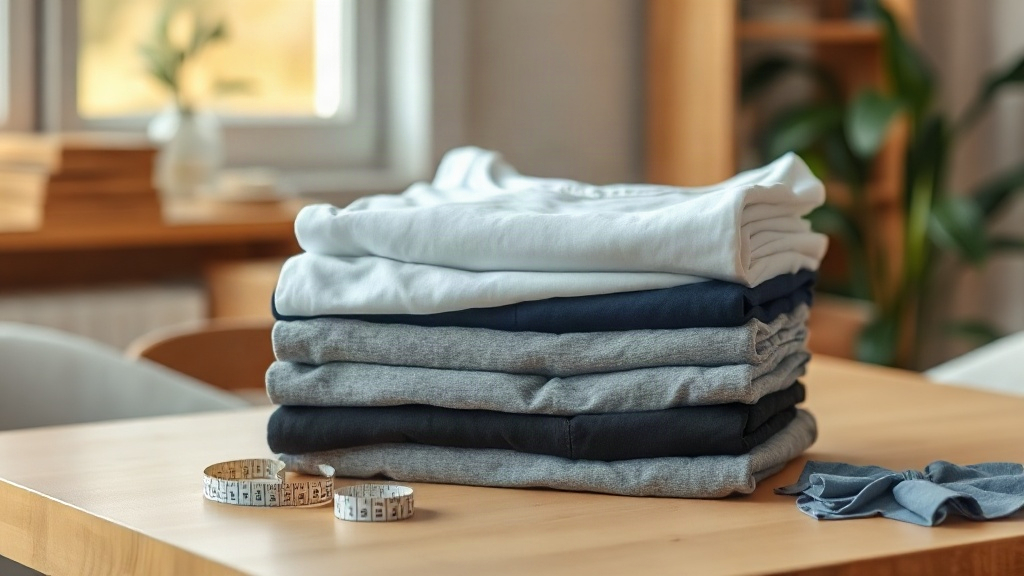
When you are building a custom apparel brand or simply want a reliable base for your next creative project, the foundation matters more than anything else. That foundation is a quality blank tee. In recent years, the term Smart Blank T-Shirts has become a buzzword among designers, screen printers, and DIY enthusiasts alike. But what exactly makes a blank t-shirt "smart"? It is not about built-in technology or digital features. Instead, it refers to a combination of intelligent fabric engineering, thoughtful construction, and versatility that allows the garment to perform beautifully whether you are printing on it, embroidering it, or wearing it plain. Understanding these nuances can save you time, money, and a lot of frustration.
What Makes a T-Shirt "Smart"?
The word "smart" in this context is less about gadgets and more about clever design choices. A smart blank t-shirt typically features a balanced blend of fibers that offer softness, durability, and printability. It often includes details like side seams for a better fit, a ribbed collar that resists stretching, and pre-shrunk fabric to minimize surprises after the first wash. These are the quiet heroes of the apparel world, the shirts that take ink and thread beautifully and still feel comfortable against the skin.
Another hallmark of Smart Blank T-Shirts is consistency. When you order a batch for a client project or a large event, you need every piece to match in size, color, and quality. Smart blanks are manufactured with tight tolerances, so the shirt you receive today behaves just like the one you ordered six months ago. This reliability is invaluable for growing brands that cannot afford variability.
Fabric Matters: Choosing the Right Material
The fabric of your blank tee determines how it feels, how it drapes, and how well it accepts decoration. Here is a breakdown of the most common options you will encounter when shopping for smart blanks.
100% Cotton
Cotton is the classic choice for a reason. It is soft, breathable, and takes screen printing and DTG (direct-to-garment) inks exceptionally well. Ringspun cotton, in particular, offers a smoother surface that results in crisper prints. If you are aiming for a premium feel, look for combed and ringspun cotton. The downside? Cotton can shrink and wrinkle, though pre-shrunk varieties mitigate this.
Cotton-Poly Blends
Blends, typically 50/50 or 60/40 cotton-polyester, combine the comfort of cotton with the durability and moisture-wicking properties of synthetic fibers. They resist shrinkage and hold their shape well, making them a favorite for athletic and casual wear. However, some printers find that blends produce slightly muted colors compared to pure cotton.
Tri-Blends
Tri-blends usually mix cotton, polyester, and rayon. The result is an incredibly soft, vintage-looking fabric with a subtle heathered appearance. Tri-blends are trendy for retail brands and fashion-forward merchandise, but they can be trickier to print on because of the rayon content. They also tend to run slightly smaller, so always check the size chart.
Performance Fabrics
For activewear or outdoor events, performance fabrics like polyester interlock or bamboo blends offer moisture management and odor resistance. These are excellent for sports teams and fitness brands, but they require specific inks and techniques to ensure the design adheres properly.
The Anatomy of a Quality Blank Tee
Beyond fabric, construction details separate a smart blank from a basic one. When evaluating a t-shirt, pay attention to these elements:
- Seams: Side-seamed shirts provide a tailored fit and reduce twisting after washing. Tubular shirts, while cheaper, can become misshapen over time.
- Collar: A ribbed collar with a high cotton-to-spandex ratio will retain its shape. Double-needle stitching on the hem and sleeves adds durability.
- Weight: Fabric weight is measured in ounces per square yard (oz/yd²). Lightweight (under 5 oz) is airy but may be sheer. Midweight (5 to 6 oz) is the sweet spot for most printing. Heavyweight (6.5 oz and up) feels substantial and is great for hoodies and winter wear.
- Labeling: Tear-away tags are a must for custom branding. They allow you to replace the manufacturer's label with your own without causing irritation.
These details might seem minor, but they add up to a garment that looks professional and lasts through repeated wear and washing.
Smart Blank T-Shirts for Printing and Embroidery
Not all blanks are created equal when it comes to decoration. If you plan to screen print, you want a smooth, tight-knit surface. Ringspun cotton is ideal because the fibers are combed to remove impurities, resulting in a soft, even canvas. For DTG printing, a high cotton content is essential because the water-based inks bond with natural fibers. Polyester requires a pre-treatment and can produce a duller finish.
Embroidery enthusiasts should look for blanks with a stable fabric that can support dense stitching without puckering. A midweight cotton or cotton-poly blend works well. Avoid overly stretchy fabrics like tri-blends for complex embroidery, as the design may distort. Also, consider the thread count and backing. A cutaway stabilizer is often necessary for knit fabrics.
For heat transfer vinyl (HTV) and sublimation, polyester or high-poly blends are best because they can withstand the higher temperatures without scorching. Always test a sample first to ensure compatibility.
How to Choose the Right Size and Fit
Fit is personal, but when you are producing merchandise for others, you need to cater to a range of body types. Smart blanks often come in a variety of fits: classic, slim, relaxed, and oversized. Here is a quick guide:
- Classic fit: A standard cut that offers room through the chest and waist. It is a safe bet for unisex designs.
- Slim fit: Tapered through the waist and sleeves for a modern, tailored look. Popular among younger demographics.
- Relaxed fit: Extra room in the body and sleeves for maximum comfort. Great for loungewear.
- Oversized: A trendy, boxy silhouette that drapes loosely. Often used in streetwear.
Always consult the manufacturer's size chart and, if possible, order samples to gauge the actual measurements. Remember that unisex sizes tend to run larger than women's-specific cuts.
Caring for Your Smart Blank T-Shirts
To keep your blanks looking new and your prints intact, follow these care tips:
- Wash inside out in cold water to protect the fabric and any decoration.
- Avoid fabric softeners, which can leave a residue that breaks down inks and vinyl.
- Tumble dry on low or hang dry to prevent shrinkage and cracking.
- Iron inside out, and never iron directly over a print or embroidery.
Proper care extends the life of the garment and keeps your brand looking professional.
Why Smart Blanks Store Is Your Go-To Source
At Smart Blanks Store, we understand that the quality of your blank determines the success of your project. That is why we curate a selection of Smart Blank T-Shirts that meet rigorous standards for fabric, construction, and consistency. Whether you are a small business owner, a print shop, or a DIY crafter, our blanks provide the perfect canvas for your creativity. We offer a range of styles, colors, and sizes to suit every need, and our team is always ready to help you make the right choice.
Frequently Asked Questions
What are smart blank t-shirts and how are they different from regular blanks?
Smart blank t-shirts are designed with enhanced features such as pre-shrunk fabric, side seams, and high-quality cotton blends that improve printability, fit, and durability. They offer greater consistency and performance compared to standard blanks.
Which fabric is best for screen printing on blank t-shirts?
100% ringspun cotton is generally considered the best for screen printing because of its smooth surface and ability to hold ink well. Cotton-poly blends also work but may require different ink formulations.
Can I use smart blank t-shirts for embroidery?
Yes, many smart blanks are suitable for embroidery, especially midweight cotton or cotton-poly blends. Avoid highly stretchy fabrics, and always use a stabilizer to prevent puckering.
How do I prevent my printed t-shirts from fading?
Wash them inside out in cold water, avoid fabric softeners, and dry on low heat or hang dry. Following these steps will help preserve the print and the fabric.
Do smart blank t-shirts shrink after washing?
Most smart blanks are pre-shrunk, so shrinkage is minimal. However, some natural shrinkage (about 2-5%) can still occur, especially with cotton. Always check the care label.