
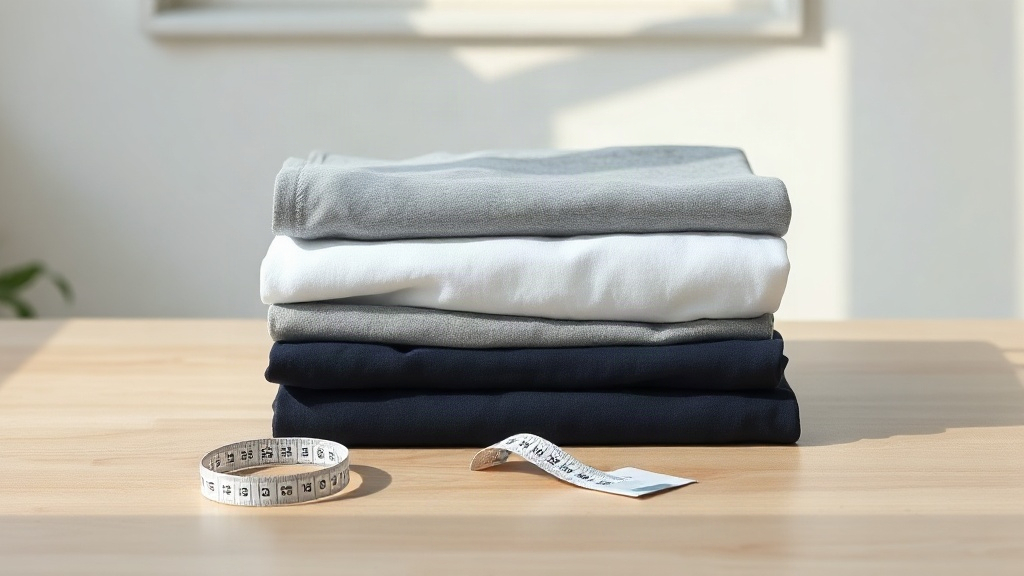
Walk into any print shop and you will see shelves of folded shirts in every color, and the difference between a good run and a pile of returns often comes down to one decision made before the first screen is ever burned. Smart Blank T-Shirts are not simply cheap white tees bought in bulk. They are chosen for how they behave under a squeegee, how they feel after twenty washes, and how consistently the next reorder matches the last one.
I have spent years watching orders go out the door, and the pattern is always the same. Customers who treat blanks as an afterthought end up fielding complaints about crooked hems and gray-looking whites. Customers who spend an extra ten minutes comparing specs build a product people actually want to wear again.
What Actually Makes a Blank Shirt Smart
The word smart gets thrown around loosely in apparel, so let us be specific. A smart blank is one where the fabric, the cut, and the finish all serve the person wearing it and the person printing it. That means predictable shrinkage, a surface that accepts ink cleanly, and a hand feel that does not scream promotional giveaway.
Three variables control almost everything else:
- Fabric weight, measured in ounces per square yard or grams per square meter. Heavier does not automatically mean better, but it does mean more opacity and a longer lifespan.
- Fiber content, which determines how the shirt drapes, breathes, and reacts to heat.
- Construction details, including stitching at the shoulders, hem width, and whether the neckline has any reinforcement.
Get those three right and you have a blank that works for retail, events, uniforms, or a small brand finding its footing.
Fabric Weight: Finding Your Range
Weight is the first number worth checking on any spec sheet, and it tells you more about a shirt than the marketing copy ever will.
Lightweight (roughly 3.5 to 4.5 oz)
These are your summer staples and layering pieces. They breathe well and dry fast, which makes them popular for warm-weather events and athletic-adjacent designs. The tradeoff is transparency. Thin white or pastel shirts will show whatever is underneath, especially in direct sun, so plan artwork and undergarments accordingly.
Midweight (roughly 5 to 6 oz)
This is where most serious printing happens. A midweight ring-spun cotton tee holds a plastisol print without the ink sitting on top like a decal, and it still feels like clothing rather than armor. If you are only going to stock one weight across your catalog, this is the range that covers the most use cases.
Heavyweight (roughly 6.5 oz and up)
Heavyweight blanks have a structured drape that photographs beautifully and survives repeated industrial laundering. They are the default for workwear, streetwear drops, and anything meant to feel substantial in the hand. Expect a longer break-in period and a slightly boxier silhouette.
Cotton, Blends, and What Heat Does to Each
Fiber content drives how a shirt ages, so choose with the end of its life in mind, not just the day it ships.
One hundred percent cotton is the classic choice for screen printing. It takes water-based and discharge inks well, feels softer with every wash, and has a natural matte surface that photographs without shine. The catch is shrinkage. A cotton tee can lose a meaningful amount of length and width after the first hot wash, which is why pre-shrunk and ring-spun options matter so much for size-sensitive orders.
Cotton and polyester blends resist shrinking and wrinkling, hold color longer, and dry faster. They are excellent for uniforms and anything that will be washed constantly. The tradeoff is that some blends pill over time and can feel slightly slicker against the skin.
Tri-blends, usually a mix of cotton, polyester, and rayon, sit at the soft, drapey end of the spectrum. They look great with minimal designs and light ink coverage, but the fabric is more prone to stretching at the neckline, so handle them gently and consider a reinforced collar.
Checking Print Compatibility Before You Commit
A blank that feels wonderful in your hand can still be a nightmare under the press. Before placing a large order, run a small test batch and check these points.
- Print a detailed design on the shirt and inspect the edges. Crisp lines mean the weave is tight and stable enough for your mesh count.
- Wash the printed sample three times in warm water and tumble dry. Look for cracking, fading, and any shift in the print placement.
- Stretch the fabric gently where the ink sits. If the print cracks immediately, the ink and the fabric are fighting each other.
- Check the neckline after washing. A collar that has already rippled will only get worse.
This test costs you a few shirts and an afternoon. It saves you from a reprint that costs far more.
Sizing, Fit, and the Reorder Problem
Nothing damages trust faster than a second order that does not match the first. Sizing drift happens when you switch suppliers, switch countries of manufacture, or even switch production runs within the same line. Keep a reference shirt from every batch, label it with the date, and measure it flat before you reorder.
Also think about your audience rather than your own preferences. A unisex cut that fits you well may run long on smaller frames, and a fitted cut that flatters one body type can feel restrictive on another. Offering two fits is often more valuable than offering ten colors.
For most projects, a sensible starting inventory looks like this: 40 percent medium, 30 percent large, 15 percent small, 10 percent extra large, and 5 percent split across the remaining sizes. Adjust based on who actually buys from you, and revisit the numbers every quarter.
Care Instructions That Keep Blanks Looking New
The instructions you pass along to customers determine how your work is judged months later. Keep them simple and honest.
- Wash inside out in cold water to protect the print surface and reduce shrinkage.
- Skip fabric softener, which leaves a residue that dulls prints and breaks down fibers.
- Tumble dry low or hang dry. High heat is the single biggest cause of premature wear.
- Iron on the reverse side only, and never directly over the printed area.
Print these on a small insert card. It costs almost nothing and dramatically reduces complaints.
Common Questions About Smart Blank T-Shirts
How do I know if a blank shirt will shrink a lot?
Look for pre-shrunk or ring-spun cotton on the spec sheet, and check the stated shrinkage tolerance. Anything above roughly five percent in length is worth testing before a large order. Washing one sample in hot water gives you a clearer answer than any label.
Are heavier Smart Blank T-Shirts always the better choice?
No. Heavier fabric gives more opacity and structure, but it also traps more heat and takes longer to dry. For summer events and athletic use, a midweight or lightweight blank usually serves the wearer better.
What is the best blank for screen printing detailed artwork?
A midweight, tight-weave cotton or cotton blend with a smooth surface handles fine detail best. Very textured or slub fabrics can distort thin lines and small text, so keep artwork bolder on those styles.
Can I mix blank brands in a single order?
You can, but expect slight differences in shade, weight, and fit. If consistency matters to your brand, pick one line and stay with it, or clearly label the alternatives so customers know what they are choosing.
How many blank shirts should I order for a first run?
Order enough to cover your realistic first month of sales plus a small buffer, then reorder based on actual movement. Overbuying ties up cash in slow-moving sizes, while underbuying forces rush fees that eat your margin.