
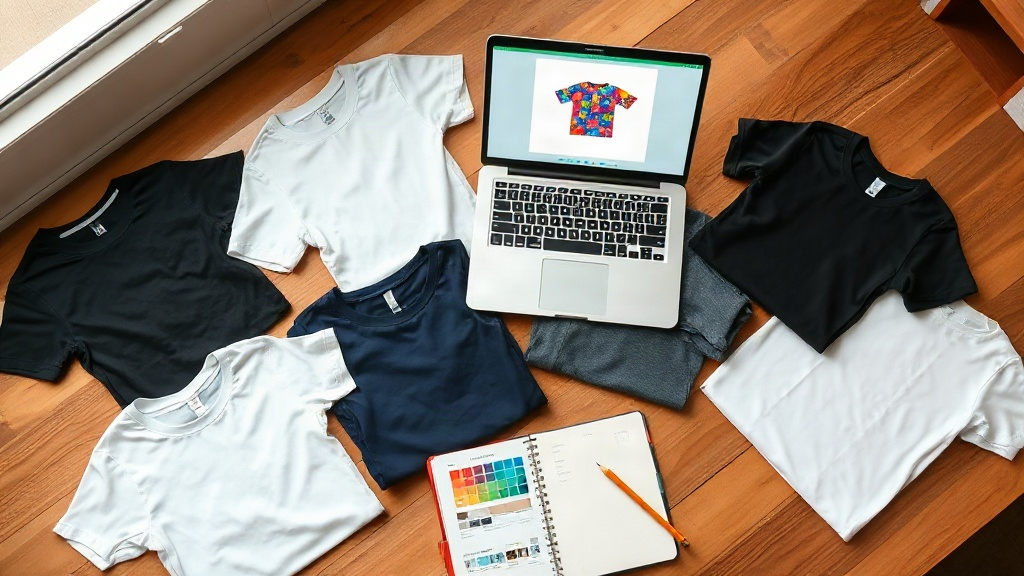
Imagine walking into a room and seeing everyone wearing a shirt that you designed. Whether it's for a family reunion, a startup launch, or just a way to express your unique personality, custom t-shirts have become a powerful medium for self-expression and branding. But creating the perfect custom tee involves more than just picking a design and hitting print. From choosing the right fabric to selecting the best printing method, there's a lot to consider. In this guide, we'll walk you through everything you need to know to make your custom t-shirt project a success.
Why Custom T-Shirts Are More Than Just Apparel
Custom t-shirts are not just pieces of clothing; they are walking billboards, conversation starters, and memory keepers. For businesses, a well-designed custom shirt can increase brand visibility and foster a sense of community among employees. For individuals, it's a way to showcase hobbies, humor, or causes they care about. The key is to approach the design and production process with intention.
Branding and Promotion
When you invest in custom t-shirts for your team or event, you're creating a tangible touchpoint that people will wear again and again. Unlike digital ads that disappear in seconds, a quality custom shirt can generate impressions for years. According to a study by the Advertising Specialty Institute, 85% of consumers recall the advertiser on a promotional product, and apparel is among the most retained items.
Personal Expression and Gifting
On a personal level, custom t-shirts allow you to wear your heart on your sleeve, literally. Whether it's a inside joke among friends or a tribute to a beloved pet, a custom tee makes a thoughtful and unique gift. Plus, with the rise of print-on-demand services, creating a one-of-a-kind shirt has never been easier.
Choosing the Right Blank T-Shirt for Customization
The foundation of any great custom t-shirt is the blank itself. The fabric, fit, and color will significantly impact the final look and feel. Here's what to consider:
Fabric Matters
100% cotton is the most popular choice for its softness and breathability. However, cotton can shrink and wrinkle. Cotton blends (like 50/50 cotton-polyester) offer durability and resistance to shrinking, making them ideal for repeated wear and washing. Tri-blends (cotton, polyester, rayon) are incredibly soft and have a vintage, heathered look. For performance shirts, consider 100% polyester with moisture-wicking properties.
Fit and Style
Gone are the days of the boxy, one-size-fits-all tee. Today, you can choose from slim fit, regular fit, relaxed fit, and even curved hem styles. Consider your audience: a tech startup might prefer a modern slim fit, while a family reunion might opt for a classic unisex cut that flatters everyone. Also, think about necklines: crew neck, V-neck, scoop neck, and even tank tops offer different vibes.
Color Selection
The color of your blank shirt sets the tone for your design. Light colors like white and heather grey provide a neutral canvas that makes colors pop, while dark colors like black and navy offer a sleek, premium look. Remember that the shirt color will interact with your ink colors, so always request a digital mockup or a physical sample before committing to a large order.
Designing Your Custom T-Shirt: Tips for Impact
Now comes the fun part: the design. Whether you're a seasoned graphic designer or a beginner, these tips will help you create a design that looks professional and wears well.
Keep It Simple
Less is often more. A clean, simple design is not only more aesthetically pleasing but also easier to print and more likely to be worn. Avoid overly intricate details that may get lost or fade over time. Bold typography and simple icons often work best.
Consider Placement and Size
The standard placement is a full-front design, but don't limit yourself. Left chest prints offer a subtle, corporate look. Back prints can accommodate larger designs and are great for event listings. Sleeve prints add a trendy touch. Also, think about size: a design that's too small may look lost, while one that's too large may feel overwhelming. A good rule of thumb is to keep the design within an 11x11 inch area for front prints.
Use High-Resolution Graphics
Always start with a high-resolution image (300 DPI or higher) to ensure crisp printing. Vector files (AI, EPS, PDF) are ideal because they can be scaled without losing quality. If you're using raster images (JPG, PNG), make sure they are large enough. Avoid using images from the web, as they are often low-resolution and may be copyrighted.
Think About Ink Colors
The number of ink colors in your design will affect the printing cost, especially for screen printing. If you're on a budget, consider a one-color design. Also, consider how the ink will look on different shirt colors. For example, white ink on a black shirt creates a bold contrast, while black ink on a dark blue shirt may be subtle.
Printing Methods: Which One Is Right for You?
There are several printing methods for custom t-shirts, each with its own strengths and weaknesses. The best choice depends on your design, quantity, budget, and timeline.
Screen Printing
Screen printing is the most common method for bulk orders. It involves creating a stencil (screen) for each color and pressing ink through it onto the shirt. It's cost-effective for large quantities, offers vibrant colors, and is durable. However, it has a higher setup cost, making it less ideal for small runs or complex designs with many colors.
Direct-to-Garment (DTG) Printing
DTG printing is like using an inkjet printer directly on the fabric. It's perfect for small orders, detailed designs, and full-color images. There's no setup cost, and it can print photographic details. However, the ink may fade faster than screen printing, and it works best on 100% cotton shirts.
Heat Transfer and Vinyl
Heat transfer involves printing your design onto a special paper and then using a heat press to transfer it onto the shirt. Vinyl cutting is similar but uses colored vinyl sheets. These methods are great for small batches, personalization (like names and numbers), and simple designs. They are also popular for one-off custom shirts.
Embroidery
For a premium, professional look, embroidery is an excellent choice. It's often used for left chest logos on polos and jackets, but it can also be used on t-shirts. Embroidery is durable and adds texture, but it can be more expensive and is best for simple logos with limited colors.
Sourcing Custom T-Shirts: What to Look For
When choosing a supplier for your custom t-shirts, consider the following factors to ensure a smooth experience and a high-quality product.
Quality of Blanks
Not all blank t-shirts are created equal. Look for suppliers that offer well-known brands like Bella+Canvas, Next Level, or Gildan. These brands are known for their consistent quality, fit, and color options. If possible, order samples to feel the fabric and check the stitching.
Printing Capabilities
Does the supplier offer the printing method you need? If you have a complex design, you'll want a supplier with DTG or screen printing expertise. If you need embroidery, ensure they have the right equipment. Also, ask about their turnaround time and whether they can handle rush orders.
Pricing and Minimums
Pricing can vary widely based on quantity, printing method, and shirt type. Be wary of extremely low prices, as they may indicate poor quality. Check for minimum order quantities (MOQs) – some suppliers require a minimum of 12 or 24 shirts, while others have no minimum. If you're just starting out, a supplier with no minimums is ideal.
Customer Service and Reviews
Read reviews and ask for referrals. A good supplier will be responsive, answer your questions, and guide you through the process. They should also offer a satisfaction guarantee and be willing to fix any errors.
Common Mistakes to Avoid with Custom T-Shirts
Even with the best intentions, people often make mistakes when ordering custom apparel. Here are some pitfalls to steer clear of.
- Not ordering a sample: Always order a sample or at least a digital mockup before placing a large order. Colors can look different on screen, and the fit may not be as expected.
- Using low-resolution images: This results in blurry or pixelated prints. Always use high-resolution files.
- Ignoring the shirt color: Your design may not show up well on certain shirt colors. For example, yellow ink on a white shirt is nearly invisible.
- Forgetting about care instructions: Some printing methods require special care, like washing inside out and avoiding ironing directly on the print. Inform your recipients if you're giving the shirts as gifts.
- Underestimating quantities: It's better to order a few extra than to run out. Also, larger orders often get better pricing.
Care and Maintenance for Long-Lasting Custom T-Shirts
To keep your custom t-shirts looking great, follow these simple care tips:
- Wash inside out in cold water.
- Use mild detergent and avoid bleach.
- Tumble dry on low or hang dry.
- Iron inside out, avoiding the printed area.
- Don't dry clean, as chemicals can damage the print.
By following these guidelines, your custom shirts will remain vibrant and comfortable for years.
Frequently Asked Questions About Custom T-Shirts
How much does it cost to make custom t-shirts?
The cost varies based on the blank shirt, printing method, and quantity. A single DTG-printed shirt might cost $15-$25, while screen-printed shirts in bulk can be as low as $5-$10 each. Always request a quote for your specific design and quantity.
What is the best printing method for a small order?
For small orders (under 12 shirts), DTG or heat transfer is usually the most cost-effective because there are no setup fees. Screen printing becomes more economical for larger orders.
Can I print on dark-colored shirts?
Yes, but it requires special techniques. For DTG, a white underbase is printed first. For screen printing, you'll need a white underbase for vibrant colors. Some methods like vinyl may not work well on dark colors.
How long do custom t-shirts last?
With proper care, custom t-shirts can last for years. Screen-printed and embroidered shirts tend to be the most durable, while DTG prints may fade over time with frequent washing.
Do I need to provide my own design?
You can provide your own design, or many suppliers offer design services for an additional fee. If you're not a designer, consider using online design tools or hiring a freelancer.
Creating custom t-shirts is a rewarding endeavor that combines creativity with practicality. Whether you're promoting a business, celebrating an event, or simply expressing yourself, the right custom tee can make a lasting impression. By following the tips in this guide, you'll be well on your way to producing shirts that people will love to wear.