
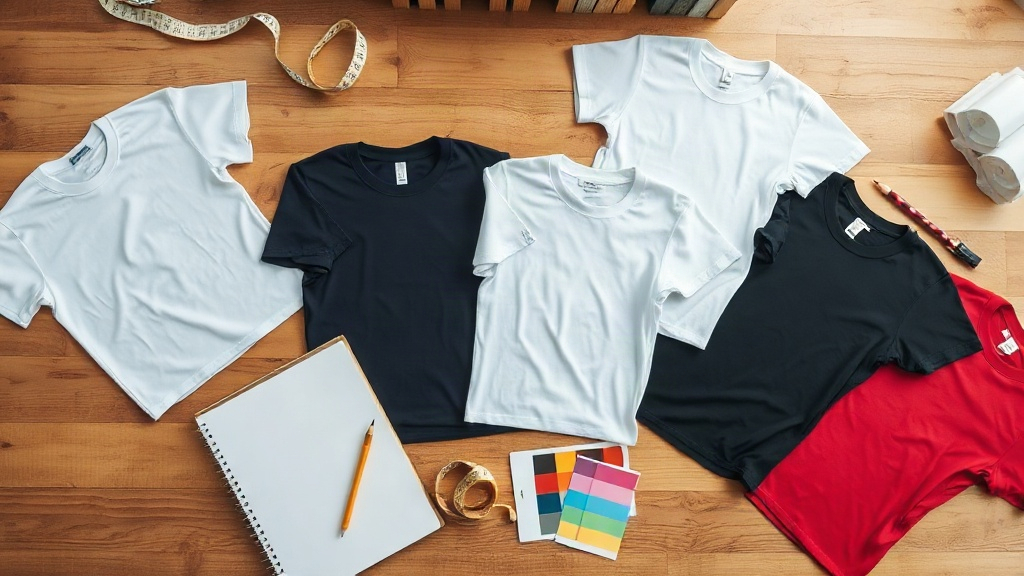
Creating custom shirts is more than just a fun DIY project; it's a powerful way to express your individuality, promote your brand, or bring a team together. Whether you're a small business owner looking for branded apparel, an event organizer needing matching tees, or simply someone who wants a unique piece of clothing, the process can be both exciting and overwhelming. With so many options for fabrics, printing techniques, and styles, how do you ensure you get exactly what you envision? This guide will walk you through every step, from concept to finished product, so you can make informed decisions and end up with shirts you'll love to wear.
Why Custom Shirts Are Worth the Investment
Off-the-rack clothing often lacks personality. Custom shirts allow you to tell your story, showcase your logo, or commemorate a special occasion. They serve as walking billboards for your business, creating brand recognition every time someone wears them. For events like family reunions, bachelor parties, or charity runs, custom shirts foster a sense of belonging and create lasting memories. Moreover, they make thoughtful gifts that recipients will actually use. Unlike generic presents, a custom shirt shows you put thought into selecting a design that resonates with the wearer.
Choosing the Right Fabric for Your Custom Shirts
The fabric you choose dramatically affects comfort, durability, and print quality. Here are the most common options:
- 100% Cotton: Soft, breathable, and ideal for screen printing. It's the go-to for everyday wear, but it can shrink and wrinkle.
- Cotton Blends: Usually cotton-polyester mixes, these resist shrinking and wrinkles, making them great for uniforms. They're also more affordable.
- Polyester: Durable and moisture-wicking, perfect for athletic shirts. However, it's not as breathable as cotton and can feel less comfortable in hot weather.
- Tri-Blends: A mix of cotton, polyester, and rayon, offering a vintage, super-soft feel. They're trendy but tend to be pricier.
Consider the intended use: if you're creating custom shirts for a sports team, go with moisture-wicking polyester. For casual wear, cotton or tri-blends are excellent choices.
Understanding Fabric Weight
Fabric weight is measured in ounces per square yard (oz/yd²). Lightweight fabrics (under 5 oz) are cool and great for summer, while heavier fabrics (6 oz and above) are more durable and structured. For custom shirts that will be worn frequently, a mid-weight (5.5-6 oz) cotton is a solid choice.
Printing Methods: Which One Is Right for You?
Several printing techniques exist, each with pros and cons. Your choice depends on design complexity, quantity, and budget.
Screen Printing
Screen printing is the most common method for bulk orders. It involves pushing ink through a mesh screen onto the fabric. It's cost-effective for large quantities, offers vibrant colors, and works well on dark fabrics. However, setup costs are high, so it's not ideal for small runs. Also, complex designs with many colors can get expensive.
Direct-to-Garment (DTG) Printing
DTG printing is like using an inkjet printer on fabric. It's perfect for detailed, multi-color designs and small batches. No setup fees mean you can order just one shirt. The downside is that colors may appear slightly faded on dark shirts, and the print may not last as long as screen printing.
Heat Transfer Vinyl (HTV)
HTV involves cutting a design from colored vinyl and heat-pressing it onto the shirt. It's great for simple, single-color designs and small quantities. However, it can peel over time and isn't suitable for intricate details.
Embroidery
Embroidery adds a premium, professional look, especially for polos and button-downs. It's durable and resistant to fading. However, it's more expensive and not ideal for large, detailed designs.
Design Tips for Eye-Catching Custom Shirts
Creating a design that looks good on paper and on fabric requires some forethought. Here are key considerations:
- Keep it simple: Too many elements can clutter the shirt. Focus on one strong message or image.
- Use high-contrast colors: Ensure your design stands out against the shirt color. For dark shirts, use light inks, and vice versa.
- Consider placement: The left chest, full front, and back are popular spots. Think about how the design will look when worn.
- Test print: Always request a sample or digital mockup before committing to a large order.
Choosing Colors That Pop
Color psychology plays a role. Red evokes energy, blue conveys trust, and green suggests growth. For custom shirts, align colors with your brand or the event's theme. Also, remember that colors may appear differently on screen versus on fabric, so consult a color chart.
How to Order Custom Shirts: A Step-by-Step Guide
Ready to place an order? Follow these steps to ensure a smooth experience:
- Determine quantity: Order a few extra to account for sizing issues or last-minute attendees.
- Select shirt style and color: Choose from t-shirts, polos, tank tops, etc., and pick colors that complement your design.
- Finalize the design: Work with a designer or use online tools to create a print-ready file.
- Choose printing method: Based on your design and budget, select the most suitable technique.
- Request a quote and sample: Get pricing and order a sample to check quality.
- Approve and order: Once satisfied, give the go-ahead and await delivery.
Common Mistakes to Avoid with Custom Shirts
Even seasoned buyers can slip up. Avoid these pitfalls:
- Ignoring sizing: Provide a size chart and encourage accurate measurements. Unisex sizes may not fit everyone well.
- Using low-resolution images: This leads to blurry prints. Always use vector or high-res files.
- Forgetting about care instructions: Inform recipients how to wash the shirts to preserve the print.
- Overlooking deadlines: Custom orders take time, so plan ahead, especially for events.
Frequently Asked Questions About Custom Shirts
How long does it take to get custom shirts made?
Production time varies by method and quantity. Screen printing typically takes 5-10 business days after artwork approval, while DTG can be quicker, around 3-5 days. Always add shipping time and order early for events.
Can I put a design on a dark-colored shirt?
Yes, but the printing method matters. Screen printing works well on darks with a white underbase. DTG may require a white underbase too, which can make the print feel thicker. HTV is also an option for simple designs.
What's the minimum order for custom shirts?
It depends on the printer. Some have no minimum for DTG or HTV, while screen printing often requires at least 12-24 pieces to be cost-effective. Always ask before assuming.
How should I care for my custom shirts to make them last?
Turn the shirt inside out and wash in cold water. Avoid fabric softener and bleach. Tumble dry on low or hang dry. Iron inside out, avoiding the printed area. Following these tips will extend the life of your custom shirts.
Can I get a sample before placing a large order?
Absolutely. Most reputable printers offer samples or mockups. It's a small investment to ensure satisfaction. Some may charge for samples, but the cost is often credited toward your order.
With this guide, you're well-equipped to create custom shirts that impress. Whether for business, events, or personal use, the right combination of fabric, printing, and design will yield shirts you're proud to wear.