
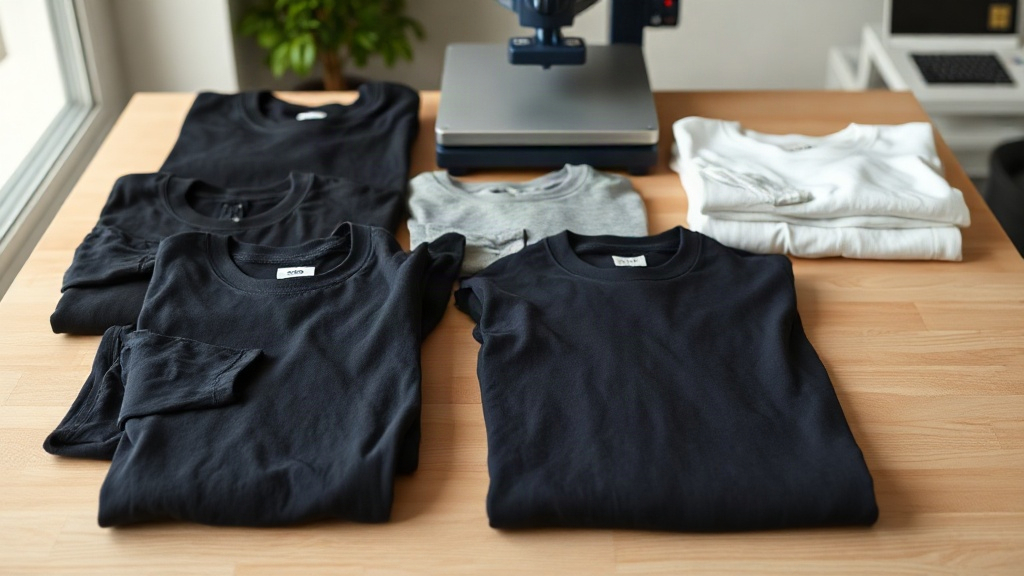
Creating custom shirts is more than just a creative project; it is a way to tell a story, build a brand, or celebrate a moment. Whether you are designing team uniforms, promotional giveaways, or a personal fashion statement, the process can feel overwhelming if you do not know where to start. This guide walks you through every step, from picking the right blank to choosing a printing method that matches your vision and budget. By the end, you will have the confidence to produce shirts that people actually want to wear.
Why Custom Shirts Matter for Your Brand or Event
Custom apparel does more than cover the body. It turns someone into a walking billboard for your message. For businesses, a well-designed shirt boosts recognition and creates a sense of belonging among employees. For events, it serves as a wearable souvenir that attendees keep for years. Even for personal use, a custom shirt lets you express humor, support a cause, or remember a special trip. The key is to treat the shirt as a product, not just a craft. That means considering fabric, fit, print durability, and overall cost.
Choosing the Right Blank Shirt
The foundation of any great custom shirt is the blank itself. A cheap blank can ruin even the best design. When sourcing blanks, look for options that balance softness, durability, and price. Smart Blanks Store offers a wide range of wholesale blanks from trusted brands like Bella+Canvas, Gildan, and Next Level. Each has its own personality. For example, Bella+Canvas 3001 is known for its buttery soft ringspun cotton and unisex fit, making it a favorite for retail-quality tees. Gildan 5000 is a workhorse that handles heavy use and frequent washing, ideal for uniforms or giveaways.
Fabric and Weight
Fabric weight is measured in ounces per square yard (oz/yd²). Lightweight shirts (under 4.5 oz) feel airy and are great for summer or athletic wear. Midweight (5.0–5.5 oz) is the sweet spot for everyday tees. Heavyweight (6.0 oz and up) offers structure and durability, perfect for workwear or streetwear. Also consider the fiber: 100% cotton is breathable and prints well, cotton/poly blends resist shrinking and wrinkles, and tri-blends offer a vintage, soft feel. Your choice affects how the print looks and feels.
Fit and Sizing
Fit is personal. Unisex cuts are boxy and comfortable, while fitted styles contour the body. Always check the size chart and, if possible, order a sample to test how the shirt drapes and washes. Remember that some blanks shrink after the first wash, so preshrinking or sizing up can save you from disappointed customers.
Popular Printing Methods for Custom Shirts
Once you have your blanks, the next decision is how to apply your design. Each method has strengths and trade-offs. Here are the most common options:
- Screen Printing: The classic choice for bulk orders. It involves pushing ink through a mesh screen, one color at a time. It offers vibrant colors and excellent durability, but setup costs make it less economical for small runs. Best for bold, simple designs with few colors.
- Direct-to-Garment (DTG): Ideal for complex, full-color designs and small batches. DTG printers work like inkjet printers for fabric, but the print may fade faster than screen printing, especially on dark shirts. It works best on 100% cotton.
- Heat Transfer Vinyl (HTV): Great for names, numbers, and simple logos. You cut the vinyl with a machine and press it onto the shirt. It is cost-effective for one-off projects but can peel over time if not applied correctly.
- Embroidery: Adds a premium, textured look. Perfect for polos, hats, and left-chest logos. It is durable but can be pricey for large designs and requires a digitized file.
- Sublimation: Best for polyester performance wear. The design becomes part of the fabric, so it never cracks or peels. However, it only works on light-colored polyester.
How to Choose the Right Method
Consider your quantity, budget, design complexity, and fabric. For a 50-shirt order with a 3-color logo, screen printing wins on price per unit. For a single baby shower gift with a photo, DTG is your friend. If you need a small batch of 10 shirts with a detailed graphic, DTG or HTV might be more practical. Always request a sample print before committing to a large run.
Design Tips for Custom Shirts That Sell
A great design is not just about art; it is about communication. Here are some guidelines to make your shirts stand out:
- Keep it simple: A cluttered design is hard to read from a distance. Focus on one strong message or image.
- Use contrast: Ensure your design pops against the shirt color. Light ink on dark shirts or dark ink on light shirts works best.
- Think about placement: Left chest, full front, back, and sleeves each serve different purposes. Left chest is professional; full front is bold; back is great for events.
- Test your typography: Small fonts and thin lines may not print cleanly. Use bold, legible fonts.
- Mind the details: Avoid gradients and halftones unless your printer supports them. They can look muddy on fabric.
Color Psychology and Trends
Colors evoke emotions. Black and white are timeless, while neon shades scream energy. Earth tones feel organic and calm. For 2025, expect to see more muted pastels, retro gradients, and oversized graphics. But trends come and go; choose colors that align with your brand identity and will still look good in two years.
Sourcing Blanks and Printing Services
You have two main paths: DIY printing or outsourcing. DIY gives you control but requires equipment and learning curve. Outsourcing saves time but costs more per shirt. If you go the DIY route, you will need a heat press, printer, or screen printing kit. If you outsource, look for a printer with a portfolio, clear pricing, and good communication. Many printers require you to supply your own blanks, which is where Smart Blanks Store comes in. We provide high-quality blanks at wholesale prices, so you can focus on the creative side.
Working with a Printer
When contacting a printer, be ready with your design files (vector preferred), shirt style, quantity, and deadline. Ask about their turnaround time, minimum order quantity, and shipping costs. Request a sample or a press proof to ensure colors match your expectations. A good printer will guide you on file setup and may suggest adjustments to improve the final product.
DIY Setup Essentials
If you are printing at home, start with a decent heat press (clamshell or swing-away), a vinyl cutter for HTV, or a DTG printer for complex designs. Practice on cheap blanks before moving to premium ones. Keep a log of temperature, pressure, and time settings for each fabric type. Join online communities to troubleshoot and learn from others.
Marketing and Selling Your Custom Shirts
Once your shirts are ready, how do you get them into customers' hands? If you are a business, use them as employee uniforms or client gifts. If you are a creator, set up an online store using platforms like Shopify or Etsy. Take high-quality photos that show the shirt on real people in real settings. Use social media to share behind-the-scenes content and customer reviews. Limited editions and pre-orders can create urgency and reduce inventory risk.
Pricing Strategies
Calculate your costs: blank, printing, packaging, shipping, and platform fees. Then add your desired profit margin. Research competitors to ensure your price is fair. Remember that perceived value matters; a beautifully packaged shirt can command a higher price. Offer bundle deals or free shipping thresholds to increase average order value.
Common Mistakes to Avoid
Even seasoned creators slip up. Watch out for these pitfalls:
- Choosing the wrong fabric for the printing method (e.g., sublimation on cotton).
- Using low-resolution images that turn pixelated when printed.
- Forgetting to mirror your design for heat transfer vinyl.
- Not testing washability; always include care instructions.
- Underestimating shipping costs, which can eat into profits.
Frequently Asked Questions
What is the best type of shirt for screen printing?
100% cotton or high-cotton blends work best for screen printing because the ink adheres well to natural fibers. Ringspun cotton offers a smooth surface for fine details, while heavier fabrics like 6 oz cotton hold up to multiple colors and heavy ink deposits.
How many shirts should I order to get a good price?
Screen printing becomes cost-effective at 24 pieces or more because setup costs are spread across the run. For smaller quantities, DTG or HTV may be more economical. Always ask for a price break at 50, 100, and 250 units.
Can I print on dark shirts with DTG?
Yes, but DTG on dark shirts requires a white underbase, which can make the print feel thicker and may crack over time. For best results on dark fabrics, consider screen printing or DTF (direct-to-film) transfers.
How do I wash custom shirts to make them last?
Turn the shirt inside out, wash in cold water on a gentle cycle, and tumble dry on low or hang dry. Avoid ironing directly on the print; if needed, iron inside out. Following these steps will keep the print looking new for years.
Where can I buy high-quality blank shirts for printing?
Smart Blanks Store offers a curated selection of wholesale blanks from top brands. We carry ring-spun cotton, blends, and performance fabrics in a variety of colors and sizes. Our team can help you choose the right blank for your project.