
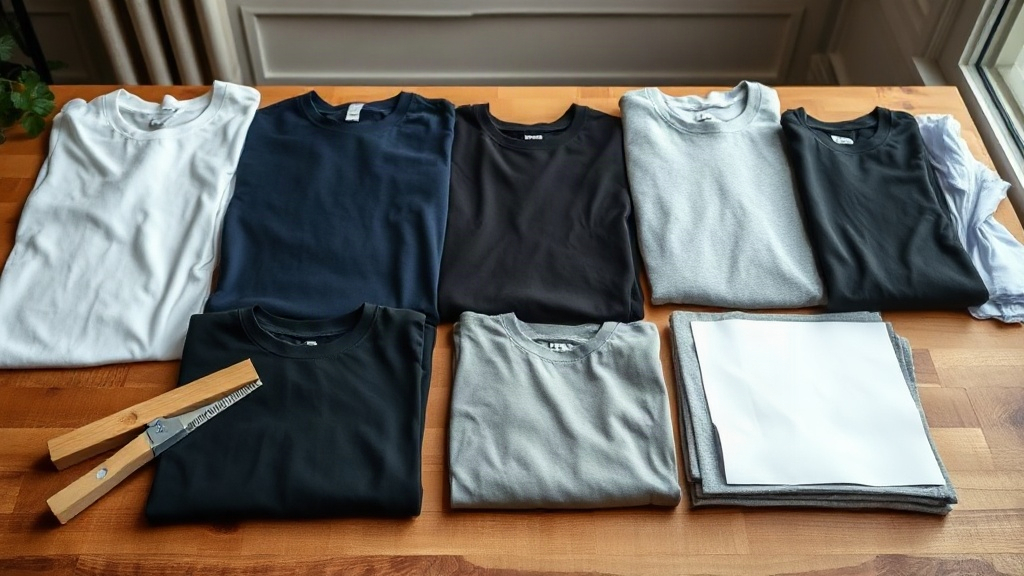
Turning a plain blank into a bestselling Custom Shirts design is both an art and a science. Whether you're a small business owner, a print-on-demand entrepreneur, or a creative looking to launch a clothing line, the process starts long before you press that first screen. In this guide, we'll walk through every step: selecting the right blank, choosing a printing method, and ensuring your finished product stands out in a crowded market.
Why Custom Shirts Are More Than Just Apparel
Custom shirts are wearable billboards. They tell a story, promote a brand, or simply make a statement. But beyond self-expression, they represent a booming industry. According to recent market data, the global custom t-shirt printing market is projected to grow steadily, fueled by e-commerce and social media. For creators, this means opportunity. Yet, success hinges on quality. A poorly printed shirt won't just disappoint a customer; it can damage your reputation. That's why understanding the nuances of blanks and printing is crucial.
Choosing the Right Blank for Custom Shirts
The foundation of any great custom shirt is the blank itself. Not all blanks are created equal, and the right choice depends on your target audience and design. Here are key factors to consider:
Fabric and Weight
Cotton is the most popular fabric for custom shirts, but it comes in various weights. A 4.3 oz ring-spun cotton offers a soft, lightweight feel ideal for retail fashion. Heavier fabrics, like 6.1 oz, provide durability and structure, often preferred for workwear or promotional tees. Blends, such as cotton-polyester, resist shrinking and wrinkles, making them great for activewear. When choosing, think about how the shirt will be worn: is it a fashion piece or a utilitarian item?
Fit and Style
Fit matters. A unisex crew neck is a safe bet, but offering women's cuts, tank tops, or long sleeves can expand your range. Consider your audience: younger buyers often prefer slim fits, while older demographics may favor classic or relaxed fits. Also, check details like shoulder taping and side seams, which affect comfort and printability.
Sourcing Blanks from Smart Blanks Store
At Smart Blanks Store, we specialize in providing high-quality blanks from trusted brands like Bella+Canvas, Next Level, and Gildan. Our curated selection ensures you get the best canvas for your Custom Shirts. We understand that your reputation depends on the blanks you choose, so we only stock items that have been tested for print compatibility and wash durability.
Printing Methods for Custom Shirts
Once you have your blanks, the next step is printing. The method you choose affects the look, feel, and longevity of your design. Here's a breakdown of the most common techniques:
Screen Printing
Screen printing is the industry standard for bulk orders. It involves pushing ink through a mesh screen onto the fabric. It's cost-effective for large quantities and produces vibrant, long-lasting prints. However, it's not ideal for complex, multi-color designs with gradients, as each color requires a separate screen. Setup costs can be high, so screen printing is best for orders of 50+ pieces.
Direct-to-Garment (DTG) Printing
DTG printing works like a specialized inkjet printer for textiles. It's perfect for detailed, full-color designs and small batches. No setup fees mean you can print one-off shirts economically. The downside? DTG prints may fade faster than screen prints, and the hand feel can be slightly stiff on dark garments unless a pretreatment is applied. For best results, use 100% cotton blanks.
Heat Transfer and Vinyl
Heat transfer involves printing your design onto a special paper and then pressing it onto the shirt with a heat press. It's great for small runs and personalized items like names or numbers. Vinyl cutting is similar but uses colored vinyl sheets. Both methods are accessible for beginners, but durability varies. Always follow the manufacturer's instructions for temperature and pressure.
Embroidery
For a premium look, embroidery adds texture and sophistication. It's commonly used for logos on polos or left-chest designs. While it's more expensive and requires digitizing, embroidery withstands repeated washing and appeals to corporate clients.
Design Tips for Custom Shirts That Sell
Great printing can't save a bad design. Here are some tips to create custom shirts that people actually want to wear:
- Keep it simple: Bold, clear graphics often outperform intricate ones, especially from a distance.
- Mind the placement: Center chest, left chest, and full back are standard. Consider oversized prints for a trendy look.
- Use limited colors: For screen printing, fewer colors reduce costs. Even for DTG, a cohesive palette looks more professional.
- Test on different blanks: A design that pops on white may disappear on black. Always mock up your design on the actual shirt color.
- Tell a story: Shirts with a message or inside joke build community and encourage repeat purchases.
Marketing Your Custom Shirts
Once your shirts are printed, you need to sell them. Whether online or at events, marketing is key. Leverage social media by posting behind-the-scenes content of your printing process. User-generated photos of happy customers are gold. Consider collaborations with local artists or influencers to expand your reach. And don't forget SEO: optimize your product descriptions with keywords like Custom Shirts to attract organic traffic.
Common Mistakes to Avoid
Even seasoned printers make mistakes. Here are pitfalls to watch for:
- Ignoring fabric content: Printing on polyester with DTG? It won't work well. Always match method to material.
- Under-curing: If ink isn't properly cured, it will crack and wash out. Invest in a quality heat press or conveyor dryer.
- Poor color separation: For screen printing, ensure your artwork is separated correctly. Otherwise, colors may bleed.
- Neglecting customer feedback: Listen to reviews. If multiple people say the shirt runs small, adjust your sizing chart.
Frequently Asked Questions About Custom Shirts
What is the best blank for DTG printing?
100% cotton blanks with a tight weave work best for DTG. Ringspun cotton, like Bella+Canvas 3001, provides a smooth surface that holds detail well. Avoid blends with high polyester content, as the ink may not adhere properly.
How many shirts should I order for my first run?
Start small. Order a sample of each size to check fit and print quality. For screen printing, 24-48 pieces is a good starting point to balance cost and inventory. For DTG, you can order as few as one, so test multiple designs before committing to bulk.
Can I print on colored shirts?
Absolutely. However, some methods require a white underbase for vibrant colors on dark garments. DTG and screen printing can both handle colored shirts with proper setup. Always request a sample to ensure the ink opacity meets your standards.
How do I care for custom shirts to make them last?
Wash inside out in cold water and tumble dry low. Avoid ironing directly over the print. Following these steps will extend the life of your custom shirts and keep your customers happy.
Where can I buy high-quality blanks for custom shirts?
Smart Blanks Store offers a wide range of blanks from top brands. We provide fast shipping and competitive pricing, making us a trusted partner for businesses of all sizes. Browse our catalog to find the perfect canvas for your next project.