
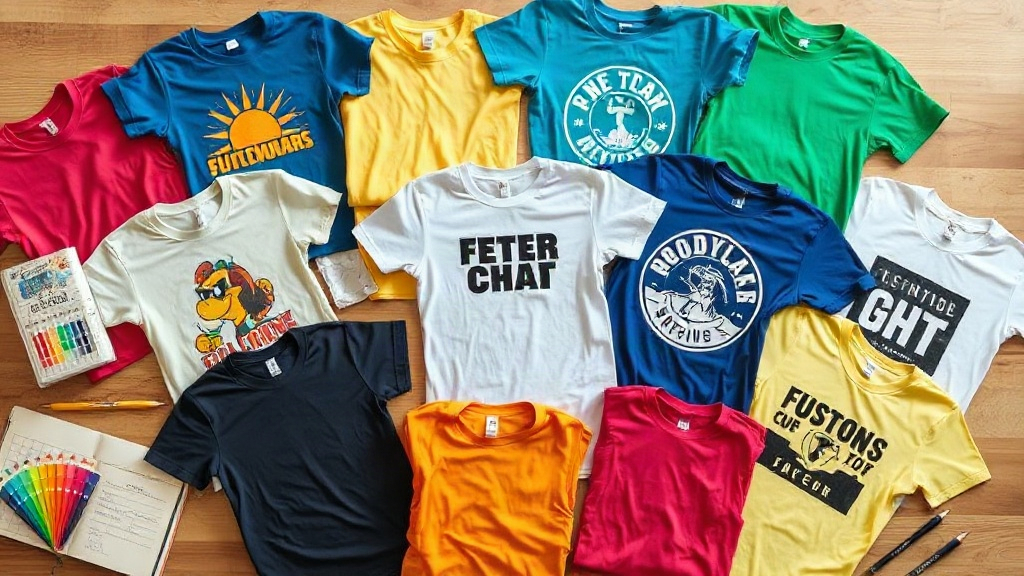
Creating custom shirts is more than a hobby; it's a way to express individuality, commemorate events, or build a brand. Whether you're designing a one-of-a-kind piece for yourself or ordering in bulk for a team, understanding the process ensures you get a product you'll love. In this guide, I'll walk you through the essential steps, drawing from my own experiences and industry insights, so you can avoid common pitfalls and create shirts that truly resonate.
Why Custom Shirts Are Worth the Effort
Off-the-rack clothing often lacks personality. Custom shirts allow you to choose everything from the fabric to the fit, resulting in a garment that feels made for you. Beyond personal style, custom shirts are powerful tools for businesses, events, and gifts. They foster a sense of belonging and can turn a simple t-shirt into a walking billboard for your cause or company.
Choosing the Right Fabric for Your Custom Shirts
The fabric you select dramatically affects comfort, durability, and how well your design holds up. Here's a breakdown of common options:
- 100% Cotton: Breathable, soft, and takes prints well. Ideal for everyday wear, but may shrink and wrinkle.
- Cotton-Poly Blend: Combines comfort with durability and resistance to shrinking. Great for uniforms and activewear.
- Tri-Blend: A mix of cotton, polyester, and rayon. Extremely soft with a vintage look, but can be pricier.
- Performance Fabrics: Moisture-wicking and stretchy, perfect for sports teams and outdoor activities.
Consider the intended use: a lightweight cotton tee for a summer festival, or a sturdy blend for a work shirt. Also, think about the color. Dark fabrics make light designs pop, while light fabrics offer a clean canvas for vibrant colors.
Selecting a Printing Method
Your design's complexity and the quantity of shirts you need will dictate the best printing method. Here are the most popular techniques:
Screen Printing
This traditional method involves pushing ink through a mesh screen. It's cost-effective for large orders and produces vivid, long-lasting colors. However, it requires a separate screen for each color, so it's best for simple designs with few colors.
Direct-to-Garment (DTG) Printing
DTG works like a specialized inkjet printer for fabric. It's perfect for detailed, multi-color designs and small batches because there's no setup cost per color. The ink bonds with the fabric fibers, resulting in a soft feel. Keep in mind that DTG works best on 100% cotton and may fade over time with heavy washing.
Heat Transfer Vinyl (HTV)
HTV involves cutting a design from colored vinyl and heat-pressing it onto the shirt. It's great for simple shapes, text, and numbers. You can layer colors for more complex designs. It's a popular choice for DIY enthusiasts and small businesses due to its low startup cost.
Embroidery
For a premium, professional look, embroidery stitches thread directly into the fabric. It's durable and adds texture. Ideal for polo shirts, caps, and corporate wear. However, it's not suitable for fine details and can be more expensive.
Designing Your Custom Shirts: Tips for Impact
Great design goes beyond a cool graphic. Here are key considerations:
- Keep it simple: A clean, uncluttered design often communicates better and reproduces more reliably.
- Mind the placement: The standard left chest and full front are classics, but consider sleeves, back, or even all-over prints for a bold statement.
- Use high-resolution files: Vector files (AI, EPS) are best for screen printing and HTV; PNG with transparent background works for DTG.
- Think about color contrast: Ensure your design stands out against the shirt color. A quick mockup can save you from a disappointing result.
Sizing and Fit: Getting It Right
Nothing ruins a custom shirt like a poor fit. Always consult the size chart provided by the manufacturer, as sizes vary between brands. If you're ordering for a group, collect sizes in advance and consider ordering a few extras in common sizes. For a more tailored look, look for shirts with side seams or consider a fitted style. Remember, unisex sizes tend to run larger, so women may prefer sizing down or choosing a women's cut.
Ordering in Bulk: What to Know
When ordering multiple custom shirts, communication with your printer is crucial. Ask about turnaround times, minimum order quantities, and set-up fees. Request a sample or a digital mockup before full production. Also, confirm the exact Pantone colors if color accuracy is critical. A reputable printer will guide you through the process and offer recommendations based on your budget and timeline.
Caring for Your Custom Shirts
To extend the life of your printed or embroidered shirts, follow these care tips:
- Turn the shirt inside out before washing.
- Use cold water and a gentle cycle.
- Avoid using bleach or fabric softener, which can degrade the print.
- Tumble dry on low or hang dry.
- Iron inside out, avoiding the printed area.
With proper care, your custom shirts can look great for years.
Frequently Asked Questions
What is the best fabric for custom shirts that will be worn often?
A cotton-poly blend offers the best balance of comfort, durability, and color retention for frequent wear. It resists shrinking and wrinkles better than 100% cotton.
How many colors can I use in my design for screen printing?
Screen printing charges per color, so using more colors increases cost. For designs with many colors, DTG printing is more economical. Typically, screen printing is cost-effective for 1-4 colors.
Can I put a custom design on any type of shirt?
Most shirts can be customized, but the fabric content matters. DTG works best on 100% cotton, while HTV adheres to cotton and poly blends. Embroidery works on most fabrics but may pucker on very thin materials.
How long does it take to get custom shirts made?
Turnaround time varies by method and order size. DTG and HTV can be ready in 1-3 days, while screen printing and embroidery may take 1-2 weeks. Always confirm with your printer.
What file format should I provide for my design?
Vector files (AI, EPS, PDF) are ideal for screen printing and HTV because they can be scaled without losing quality. For DTG, a high-resolution PNG (300 DPI) with a transparent background works well.