
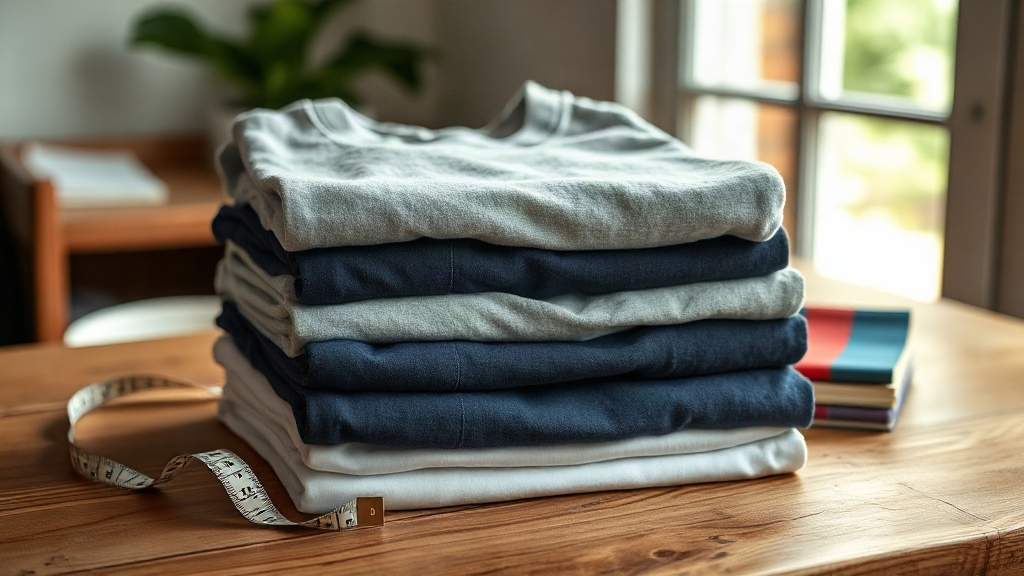
When you hand someone a t-shirt with your logo on it, you're not just giving them merchandise. You're giving them a piece of your brand they'll wear against their skin. That's why settling for flimsy, rough blanks can quietly undermine everything you've built. A Custom Premium Tee changes that equation entirely. It turns a simple giveaway into a walking endorsement, one that feels as good as it looks.
But what exactly makes a tee "premium"? And how do you choose the right blank for your project without overpaying or sacrificing quality? This guide walks you through the details that matter, from fabric weight to printing compatibility, so you can make informed decisions and create apparel people actually want to wear.
Why Premium Blanks Matter More Than You Think
Let's be honest: not all t-shirts are created equal. A cheap blank might save you a few cents per unit, but it often comes with a hidden cost. Shoppers and recipients notice when a shirt feels thin, shrinks after one wash, or develops a fuzzy, pilled surface. Those negative associations transfer directly to your brand.
Premium blanks, on the other hand, are crafted with tighter knit structures, longer staple fibers, and consistent dyeing processes. They hold their shape, resist pilling, and maintain a smooth surface that makes prints look sharper. When you invest in a Custom Premium Tee, you're investing in perceived value. People keep shirts they love wearing. They toss the ones that feel like sandpaper.
There's also a practical side: premium blanks tend to have more consistent sizing and stitching. That means fewer returns, fewer complaints, and a more predictable outcome for your print runs. Whether you're ordering 50 shirts for a team event or 5,000 for a retail launch, consistency is key.
Key Factors That Define a Premium Tee
So, what should you look for when evaluating a blank? Here are the core attributes that separate a premium tee from an average one.
Fabric Weight and Hand Feel
Fabric weight is measured in ounces per square yard (oz/yd²) or grams per square meter (GSM). Standard tees often fall between 4.5 and 5.5 oz/yd². Premium blanks typically range from 5.5 to 7 oz/yd², offering a more substantial feel without being heavy. The hand feel, or how the fabric feels to the touch, is equally important. Look for combed or ring-spun cotton, which creates a softer, smoother surface than carded cotton.
Ring-spun cotton, in particular, undergoes a spinning process that aligns fibers and removes short strands, resulting in a stronger, softer yarn. That's why a well-made ring-spun tee can feel noticeably more luxurious than a standard one, even at a similar weight.
Stitching and Construction
Details like double-needle stitching at the sleeves and hem, shoulder-to-shoulder taping, and side seams (rather than tubular construction) indicate higher quality. Side-seamed shirts fit better because they don't twist after washing. They also provide a more tailored look, which is especially important if you're selling retail or using the shirt as part of a uniform.
Check the neckline too. A ribbed collar with elastane (spandex) retains its shape better than a simple folded collar. This small detail can mean the difference between a shirt that looks crisp after months of wear and one that sags after a few washes.
Fiber Content and Blends
100% cotton is classic, breathable, and prints well. However, blends like cotton/polyester or cotton/modal can offer benefits such as reduced shrinkage, increased durability, or an ultra-soft feel. Tri-blends (cotton/polyester/rayon) are popular for their vintage look and exceptional softness, though they may require special printing considerations.
Consider your audience and use case. For a retail collection, a tri-blend might command a higher price point. For corporate events, a 100% cotton or cotton/poly blend might offer the best balance of comfort and budget.
Printing Techniques That Complement Premium Blanks
Even the best blank can be ruined by poor printing. The right technique depends on your design, quantity, and desired look. Here's a quick rundown.
- Screen Printing: The go-to for bold, durable designs on large orders. It works best on 100% cotton and requires a separate screen per color. Premium blanks with tight weaves produce crisp edges and vibrant colors.
- Direct-to-Garment (DTG): Ideal for detailed, full-color designs and small batches. It works well on 100% cotton and some blends. The print sits on top of the fabric, so a smooth, high-quality blank is essential for a soft hand feel.
- Heat Transfer Vinyl (HTV): Great for names, numbers, and simple logos. It's durable and works on various fabrics, but can feel stiff on large areas. Premium blanks with a tight knit help the vinyl adhere better and last longer.
- Embroidery: Adds a sophisticated, textured look. It's best for left-chest logos or small designs. Premium blanks with a stable fabric weight can support embroidery without puckering.
When in doubt, order samples. Test your chosen printing method on the blank you're considering. Pay attention to how the print feels, stretches, and holds up after several washes. This small step can save you from a costly mistake.
Design Tips for Custom Premium Tees
Great design goes beyond a catchy logo. Think about how the shirt will be worn. Will it be a standalone piece or part of a uniform? Here are some guidelines to ensure your design looks professional and appealing.
Placement and Size
The standard left-chest logo is about 3 to 4 inches wide. Full-front prints can range from 8 to 12 inches wide, depending on the shirt size. Keep in mind that prints on the back often need to be slightly larger to balance the front. Use mockups or digital proofs to visualize proportions before committing.
Also, consider the print's location relative to seams and hems. Avoid placing designs too close to the collar or side seams, as they can distort when worn. A little breathing room makes the design look intentional.
Color and Contrast
High contrast between the design and the shirt color ensures visibility. If you're printing on a dark premium tee, consider using a white underbase for vibrant colors. For light shirts, dark inks or metallic accents can pop. Remember that Pantone matching is available for screen printing, but DTG may have slight color variations.
Test your color choices on the actual fabric. What looks good on a screen might not translate well to a textured surface. If you're unsure, consult with your printer. They can often provide guidance based on experience.
Durability Considerations
Designs with fine lines and small text may not hold up as well over time, especially with DTG or HTV. Simpler, bolder graphics tend to age more gracefully. If you need intricate details, screen printing with a high mesh count can achieve finer resolution, but it may cost more.
Also, think about how the design will stretch with the fabric. Prints that cover a large area of the shirt may crack if the fabric stretches beyond the ink's elasticity. Using a stretch additive in the ink or choosing a more flexible printing method can help.
Sourcing Custom Premium Tees: What to Look For
Not all suppliers are created equal. When sourcing blanks, consider the following:
- Reputation and Reviews: Look for suppliers with a track record of consistent quality. Read reviews from other businesses.
- Certifications: Certifications like OEKO-TEX, WRAP, or Fair Labor Association indicate responsible manufacturing. They add credibility to your brand story.
- Inventory and Lead Times: Ensure the supplier stocks the colors and sizes you need and can meet your deadlines. Delays can derail a product launch.
- Sample Program: A good supplier offers samples at a reasonable cost. Order a few to evaluate quality firsthand.
- Customer Service: Responsive support can make a big difference, especially when you have urgent questions or issues.
At Smart Blanks Store, we specialize in providing high-quality blanks that meet these criteria. Our Custom Premium Tee options are designed for brands that refuse to compromise on quality. We work with you to ensure your final product exceeds expectations.
Cost vs. Value: Why Premium Pays Off
Yes, premium blanks cost more upfront. But consider the long-term benefits. A better shirt lasts longer, looks better, and generates more positive impressions. If you're selling merchandise, customers are more likely to repurchase and recommend your brand. If you're using shirts for events or promotions, recipients are more likely to wear them repeatedly, increasing your brand's visibility.
Think of it this way: a cheap tee that costs $5 and gets worn twice has a cost per wear of $2.50. A premium tee that costs $10 and gets worn 20 times has a cost per wear of $0.50. The premium option is actually more economical in the long run, not to mention better for your brand image.
Moreover, premium blanks often come with better colorfastness, meaning the shirt won't fade as quickly. That keeps your brand colors looking vibrant wash after wash.
Care Tips to Extend the Life of Your Custom Premium Tee
To get the most out of your investment, share these care instructions with your customers or team:
- Wash inside out in cold water to protect the print and fabric.
- Avoid using fabric softener, which can break down fibers and reduce softness over time.
- Tumble dry on low or hang dry to prevent shrinkage and preserve the print.
- Iron inside out on a low setting, avoiding the printed area.
- Store folded rather than hung to maintain shape.
These simple steps can significantly extend the life of a premium tee, keeping it looking new for longer.
Frequently Asked Questions
What is the difference between a premium tee and a regular tee?
Premium tees typically use higher-quality fabrics like ring-spun cotton, have tighter knit structures, and feature superior construction details such as side seams and reinforced stitching. They offer better durability, softer feel, and improved print results compared to standard tees.
How do I choose the right fabric weight for my custom premium tee?
Consider the intended use. Lighter weights (4.5–5.5 oz) are comfortable for warm weather and layering. Heavier weights (5.5–7 oz) feel more substantial and are great for standalone wear. For retail, a mid-weight (5.5–6 oz) often appeals to a broad audience.
Can I print on any color of premium tee?
Yes, but printing on dark colors may require a white underbase for vibrant results, especially with screen printing. DTG printing on dark shirts also benefits from a pretreatment process. Always consult your printer for the best approach based on your design.
Are premium tees worth the higher cost?
Absolutely. They last longer, look better, and create a more positive brand impression. When you factor in cost per wear and the marketing value of a well-made shirt, premium tees often deliver a higher return on investment.
How should I care for my custom premium tee to make it last?
Wash inside out in cold water, avoid fabric softener, and tumble dry on low or hang dry. Iron inside out on a low setting if needed. Following these steps will help maintain the fabric's softness and the print's integrity.
Ready to elevate your brand with custom premium tees? Explore our collection at Smart Blanks Store and experience the difference quality makes.