
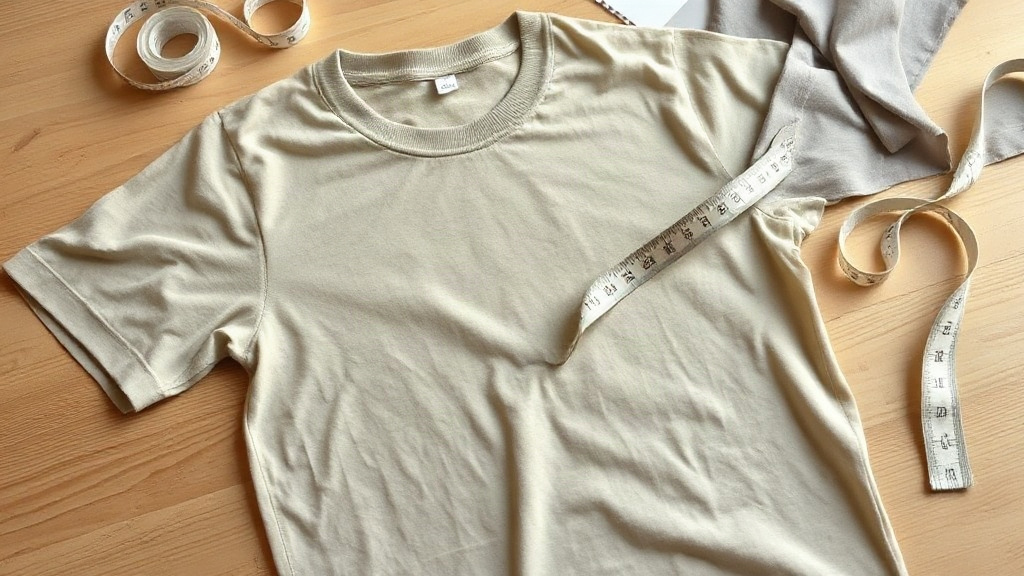
You've probably seen dozens of custom tees online, but most of them feel like cheap giveaways. A Custom Premium Tee is different. It's the kind of shirt you reach for first, not because it has a logo, but because it feels incredible and fits like it was made for you. Whether you're building a brand, commemorating an event, or just want a wardrobe staple that reflects your style, understanding what makes a tee truly premium is key. In this guide, we'll walk through everything you need to know to create a custom premium tee that you'll be proud to wear.
What Makes a Tee 'Premium'?
Not all cotton is created equal. The difference between a basic tee and a premium one often comes down to three factors: fabric quality, construction, and fit. Premium tees typically use ring-spun cotton, which has a softer hand feel and smoother surface than standard carded cotton. They also feature tighter knitting, reinforced seams, and thoughtful details like shoulder-to-shoulder taping and side seams. These elements not only improve comfort but also extend the life of the shirt.
Choosing the Right Fabric for Your Custom Premium Tee
The fabric is the foundation of your custom premium tee. Here are the most common options and what they offer:
- 100% Ring-Spun Cotton: Soft, breathable, and perfect for printing. It takes ink well and feels great against the skin. Ideal for everyday wear.
- Cotton/Poly Blends: Often 50/50 or 60/40, these resist shrinking and wrinkling. They're durable and hold color well, but may feel slightly less soft than pure cotton.
- Tri-Blend (Cotton/Poly/Rayon): Ultra-soft with a vintage, heathered look. It drapes beautifully and is a favorite for fashion-forward tees.
- Organic Cotton: Grown without synthetic pesticides, it's eco-friendly and increasingly popular. It feels similar to conventional cotton but with a smaller environmental footprint.
- Performance Fabrics: Moisture-wicking and quick-drying, often used for athletic tees. They can be harder to print on, so choose your decoration method carefully.
Consider the intended use: for a retail-ready product, tri-blend or ring-spun cotton gives that premium vibe. For a work shirt, a cotton/poly blend might be more practical.
Decoration Methods: Which One Is Right for You?
Once you have the blank, the next step is decorating it. The method you choose affects the look, feel, and durability of your custom premium tee.
Screen Printing
Screen printing is the go-to for bold, long-lasting designs. It involves pushing ink through a mesh screen onto the fabric. It's cost-effective for large orders and can achieve vibrant colors. However, it requires a separate screen for each color, so complex designs can get pricey. For a premium feel, consider using water-based or discharge inks, which sit in the fabric rather than on top, resulting in a soft hand.
Direct-to-Garment (DTG) Printing
DTG is like a high-end inkjet printer for shirts. It's perfect for detailed, full-color designs and small batches. The ink is absorbed into the fibers, so the print feels smooth. However, DTG works best on 100% cotton; on blends, the colors may appear less vibrant. It's a great choice for photo-realistic images or gradient designs.
Heat Transfer Vinyl (HTV)
HTV is a versatile option for simple designs, text, and numbers. You cut the vinyl with a plotter, weed away the excess, and press it onto the shirt. It's durable and comes in many colors and finishes, including metallic and glitter. However, large solid areas can feel stiff, so it's best for smaller elements.
Embroidery
For a truly premium look, embroidery adds texture and sophistication. It's ideal for logos, monograms, and left-chest designs. Embroidery is durable and gives a professional appearance. Keep in mind that very fine details may not translate well, and the backing can feel stiff on lightweight fabrics.
Design Tips for a Standout Custom Premium Tee
Even the best blank can be ruined by poor design. Here are some tips to ensure your tee looks professional:
- Keep it simple: A clean, minimal design often looks more premium than a cluttered one.
- Mind the placement: The standard left-chest print is about 3-4 inches wide, centered on the chest. Full-front prints typically span 10-12 inches wide, starting 2-3 inches below the collar.
- Use high-resolution files: Vector files (AI, EPS, PDF) are best for screen printing and embroidery. For DTG, use PNG with a transparent background at 300 DPI.
- Consider the fabric color: Light inks on dark fabrics require a white underbase, which can add thickness. Plan accordingly.
- Test before you commit: Order a sample or a single piece to check the print quality and fit before placing a large order.
Fit Matters: Finding the Perfect Silhouette
Fit is what separates a tee you tolerate from one you love. Premium tees often come in a range of fits: classic, slim, relaxed, and oversized. The right choice depends on your body type and personal style. Here's a quick rundown:
- Classic Fit: Straight cut with room through the body and sleeves. Comfortable and universally flattering.
- Slim Fit: Tapered through the waist and sleeves for a modern, tailored look. Great for layering.
- Relaxed Fit: Looser through the chest and body, with dropped shoulders for a casual vibe.
- Oversized: Intentionally baggy, often with extended sleeves. A trendy streetwear staple.
When in doubt, order a size up if you're between sizes, especially if you plan to print on the shirt, as the print can slightly affect the drape.
Sourcing Blanks: Where to Find Quality Tees
To create a custom premium tee, you need a high-quality blank. Look for brands known for consistent sizing and fabric quality. Some popular options include Bella+Canvas, Next Level, and American Apparel (now available through various suppliers). When sourcing, consider the following:
- Fabric weight: 4.2 oz to 5.5 oz is typical for premium tees. Heavier weights feel more substantial but may be warmer.
- Color selection: Ensure the blanks come in the colors you need, and check for dye consistency.
- Availability: Some colors and sizes sell out quickly, so have a backup plan.
- Price: Premium blanks cost more, but they're worth it for the final product.
If you're ordering in bulk, request a sample first to ensure the quality meets your standards.
Care Instructions to Keep Your Tee Looking Premium
To extend the life of your custom premium tee, follow these care tips:
- Turn the shirt inside out before washing to protect the print.
- Wash in cold water on a gentle cycle.
- Avoid using bleach or fabric softeners, which can break down the fibers and inks.
- Tumble dry on low or hang dry to prevent shrinking and cracking.
- Iron inside out on a low setting, avoiding the printed area.
With proper care, your tee will stay soft and vibrant for years.
Frequently Asked Questions
What is the best fabric for a custom premium tee?
The best fabric depends on your priorities. For softness and printability, 100% ring-spun cotton is excellent. For durability and minimal shrinkage, a cotton/poly blend works well. Tri-blend offers a luxurious feel and vintage look. Consider the intended use and your target audience's preferences.
How can I ensure my custom tee design looks professional?
Start with high-resolution vector artwork and keep the design simple. Pay attention to placement and color contrast. Order a sample to see the actual print quality and make adjustments before finalizing. Working with an experienced printer can also help you avoid common pitfalls.
What's the difference between screen printing and DTG?
Screen printing uses stencils and ink pushed through a mesh, ideal for bold designs and large orders. DTG is a digital printing method that works best for detailed, full-color designs and small batches. Screen printing tends to be more durable and cost-effective for bulk, while DTG offers more flexibility for one-offs.
How should I care for my custom premium tee to make it last?
Wash inside out in cold water, avoid bleach and fabric softener, and tumble dry low or hang dry. Iron inside out on a low setting, avoiding the printed area. Following these steps will keep the fabric soft and the print intact for a long time.
Where can I buy high-quality blank tees for customization?
Look for reputable blank suppliers like Bella+Canvas, Next Level, or American Apparel. Many online retailers specialize in blanks and offer sample packs. Always check reviews and order a sample to verify quality before committing to a large order.