
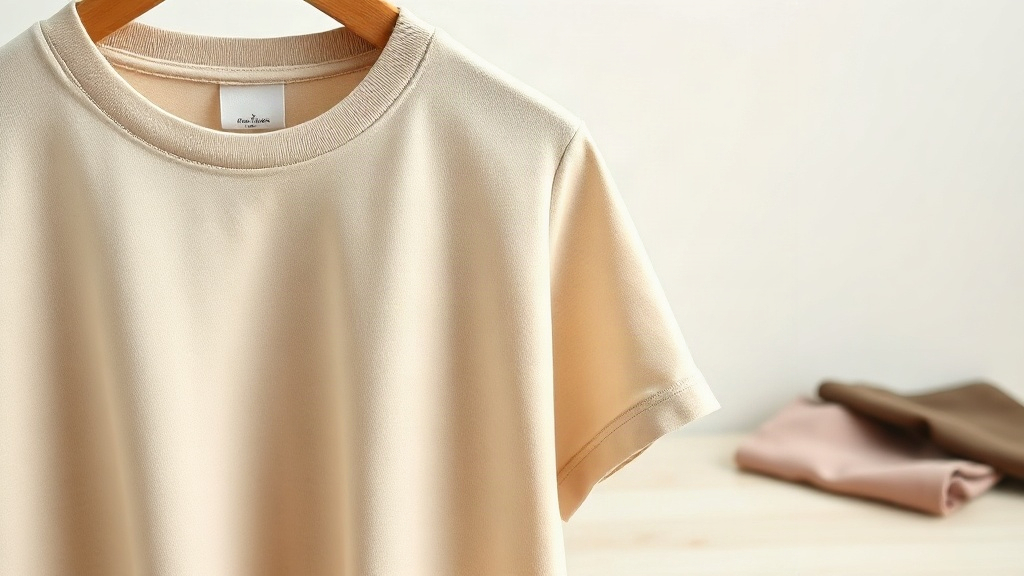
When you hand someone a custom premium tee, you're not just giving them a piece of clothing. You're giving them an experience. The softness of the fabric against their skin, the durability that survives countless washes, the fit that flatters rather than frustrates. These details separate a forgettable giveaway from a wearable billboard for your brand. Yet many businesses overlook the foundation: the blank itself. In this guide, we'll explore why custom premium tees deserve a spot in your marketing arsenal and how to get them right.
Why Custom Premium Tees Outperform Standard Blanks
Not all t-shirts are created equal. A standard blank might cost less upfront, but it often comes with hidden costs: shrinking, fading, and pilling that turn your logo into a faded memory. Custom premium tees, on the other hand, are crafted from higher-grade materials and constructed with tighter quality control. They hold their shape, maintain vibrant prints, and feel luxurious to the touch. When recipients wear them repeatedly, your brand gets repeated exposure. That's the power of premium.
The Psychology of Quality
People associate quality with credibility. If your branded tee feels cheap, recipients subconsciously transfer that perception to your business. A premium tee signals that you care about details, which builds trust. Whether you're a startup or an established company, investing in better blanks can elevate your brand image without a massive budget increase.
Longevity Equals ROI
A cheap tee might last a few months before it's relegated to a rag bin. A premium tee can stay in rotation for years. That extended lifespan means more impressions, more conversations, and more referrals. Calculate the cost per wear, and premium often wins.
Key Factors in Choosing Custom Premium Tees
Selecting the right tee involves more than picking a color. Consider these critical factors to ensure your custom premium tees meet your goals.
Fabric: The Heart of Comfort
Premium tees typically use combed ring-spun cotton, which is softer and stronger than standard cotton. Some blends incorporate polyester for moisture-wicking, or tri-blends for a vintage feel. For a classic, breathable option, 100% combed ring-spun cotton in a midweight (around 4.5 oz) works well. If you need performance features, look for blends with 5% spandex for stretch or polyester for durability.
Weight and Hand Feel
Fabric weight affects drape and perceived value. Lightweight (3.5-4 oz) tees feel airy but can be sheer. Midweight (4.5-5.5 oz) offers a balance of comfort and structure. Heavyweight (6 oz+) feels substantial and premium, ideal for streetwear or workwear. Request swatches to feel the difference.
Fit and Sizing
A great tee should fit well on a range of body types. Check size charts and consider unisex versus women's cuts. Some premium blanks offer extended sizes, ensuring inclusivity. Remember, a tee that fits poorly won't be worn, no matter how soft it is.
Colorfastness and Shrinkage
Pre-shrunk fabrics minimize surprises after washing. Look for tees that are garment-dyed or reactive-dyed for vibrant, long-lasting colors. Ask suppliers about shrinkage rates; premium blanks often have less than 5% shrinkage.
Printing Techniques for Custom Premium Tees
The best blank deserves the best printing. The technique you choose impacts durability, feel, and visual impact.
Screen Printing
For bold, long-lasting designs, screen printing remains the gold standard. It's cost-effective for larger orders and works on various fabrics. However, it can feel heavy on lightweight tees. For premium tees, use soft-hand inks or discharge printing to maintain a smooth feel.
Direct-to-Garment (DTG)
DTG excels for detailed, full-color designs and small batches. It's ideal for custom premium tees with photographic or gradient artwork. Modern DTG printers use water-based inks that bond with cotton, resulting in a soft print that moves with the fabric.
Embroidery
For a truly upscale look, embroidery adds texture and dimension. It's perfect for left-chest logos or monograms. Choose a premium tee with a stable fabric to support stitching without distortion.
Heat Transfer Vinyl (HTV)
HTV is great for small runs and personalization. It offers vibrant colors and metallic finishes. However, it may crack over time if not applied correctly. Use high-quality vinyl and follow care instructions.
Design Tips for Maximum Impact
Even the best blank can't save a poor design. Keep these principles in mind.
- Simplicity wins: A clean logo or short phrase often outperforms cluttered graphics.
- Consider placement: Left chest, center chest, or full back? Each has different visibility.
- Color contrast: Ensure your design stands out against the tee color.
- Scalability: Vector files (AI, EPS) ensure crisp prints at any size.
Sourcing Custom Premium Tees: What to Look For
Not all suppliers are created equal. Here's how to vet them.
Certifications and Ethics
Look for suppliers with WRAP, Fair Labor Association, or OEKO-TEX certifications. These ensure ethical production and safe materials.
Sample First
Always order samples before committing to a bulk order. Check stitching, softness, and print quality. Reputable suppliers offer sample programs.
Communication and Lead Times
Responsive customer service and realistic lead times are signs of a reliable partner. Avoid suppliers who can't provide clear timelines.
Care Instructions to Extend Life
Encourage recipients to wash inside out in cold water and tumble dry low. Avoid ironing directly on prints. Proper care keeps custom premium tees looking new.
Frequently Asked Questions
What makes a t-shirt 'premium'?
Premium tees use higher-quality fabrics like combed ring-spun cotton, have tighter construction, and often feature details like side seams and reinforced collars. They resist shrinkage and fading better than standard tees.
How many washes can I expect from a custom premium tee?
With proper care, a premium tee can last 50+ washes without significant fading or deterioration. Cheap tees may show wear after 10-15 washes.
Is screen printing or DTG better for premium tees?
It depends on your design. Screen printing is more durable for bold, simple designs. DTG is better for detailed, full-color artwork. Both can work on premium tees if applied correctly.
Can I put my logo on a premium tee without it feeling stiff?
Yes. Use soft-hand screen printing inks, discharge printing, or DTG with water-based inks. These methods integrate with the fabric, avoiding a plastic-like feel.
Where can I find custom premium tees for my business?
Look for reputable blank suppliers like Smart Blanks Store that offer premium blanks and printing services. Always request samples to ensure quality.