
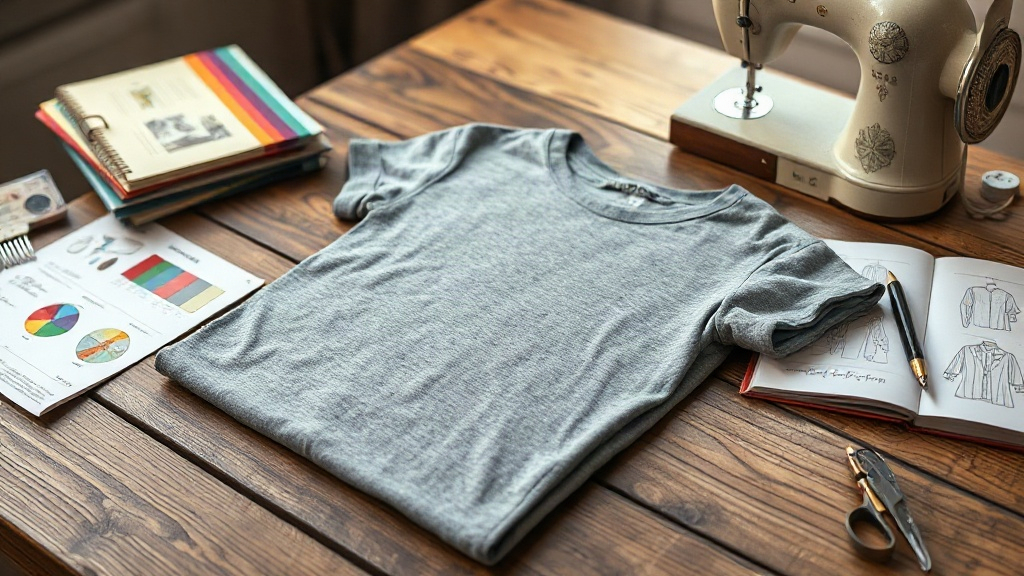
Creating a Custom Premium Tee is more than just a hobby; it's a way to express your brand, commemorate an event, or simply wear something uniquely yours. But if you've ever tried printing on a cheap blank, you know the disappointment: cracked ink, faded colors, and a fit that leaves much to be desired. The difference between a mediocre tee and a premium one lies in the details, from the fabric you choose to the printing method you use. In this guide, we'll walk you through everything you need to know to produce custom premium tees that look and feel like they came from a high-end boutique.
Why Choose a Custom Premium Tee Over Standard Options?
When you decide to create a Custom Premium Tee, you're investing in quality that shows. Premium tees are typically made from finer fabrics, such as combed ring-spun cotton, which offers a softer hand feel and better durability. They often feature reinforced stitching, a tailored fit, and a weight that drapes well without being too heavy. These factors not only make the shirt more comfortable to wear but also provide a superior canvas for your designs. Unlike standard tees that might pill after a few washes, a premium tee maintains its appearance, making your printed design look better for longer.
Choosing the Right Blank for Your Custom Premium Tee
The foundation of any great printed tee is the blank itself. Not all blanks are created equal, and selecting the right one is crucial for achieving a premium result. Here are key factors to consider:
Fabric Type and Weight
For a truly premium feel, look for blanks made from 100% combed ring-spun cotton. This type of cotton has been combed to remove short fibers, resulting in a smoother, stronger yarn. The weight of the fabric also matters: a 4.5 oz tee feels lighter and more breathable, while a 6.1 oz tee offers a more substantial, structured look. Consider the intended use: lightweight for summer events, heavier for workwear or merchandise that needs to withstand frequent wear.
Fit and Style
Premium blanks come in various fits, from classic unisex to modern slim or relaxed. The fit affects how your design sits on the body. For example, a slim-fit tee might require a smaller, more centered design, while a relaxed fit can accommodate larger prints. Also, consider details like side seams, which reduce twisting after washing, and shoulder-to-shoulder taping for added durability.
Color Choices
The color of your blank impacts the vibrancy of your print. Light colors like white or heather grey are versatile and make bright inks pop, while dark colors like black or navy create a sleek backdrop for metallic or white prints. If you're using discharge printing, the shirt's color becomes part of the design, so choose a blank that dyes well.
Printing Methods for Custom Premium Tees
Once you've selected your blank, the next step is choosing a printing method that complements both your design and the fabric. Each technique has its strengths and ideal applications.
Screen Printing
Screen printing is the go-to method for bold, long-lasting designs. It involves pushing ink through a mesh screen onto the fabric. For premium tees, use plastisol inks that cure at high temperatures, ensuring durability. Water-based inks are another option; they soak into the fabric, giving a soft, vintage feel. Screen printing is cost-effective for large orders but requires a separate screen per color, so it's best for designs with limited colors.
Direct-to-Garment (DTG) Printing
DTG printing works like a specialized inkjet printer for textiles. It's ideal for detailed, multi-color designs and small batches because there's no setup cost. However, DTG inks sit on top of the fabric, so they may fade faster than screen-printed designs. For premium results, pretreat the shirt to improve ink adhesion and use a high-quality DTG printer.
Heat Transfer and Vinyl
Heat transfer involves printing your design onto a special paper and then pressing it onto the shirt with a heat press. This method is great for small runs and complex designs. Vinyl cutting is another option, where you cut colored vinyl and press it onto the fabric. Both methods can yield professional results if done correctly, but they may not feel as integrated into the fabric as screen printing.
Embroidery
For a truly upscale look, consider embroidery. It adds texture and dimension, and it's incredibly durable. However, embroidery is best for simple logos and left-chest designs, as large, detailed images can be costly and may pucker the fabric. Choose a premium blank with a tight weave to support the stitches.
Design Tips for a Custom Premium Tee
Your design should not only look good on screen but also translate well onto fabric. Keep these tips in mind:
- Simplicity wins: Bold, simple designs often have a greater impact and are easier to print.
- Consider the garment color: Ensure enough contrast between your design and the shirt.
- Mind the placement: The standard front print is about 8-10 inches wide and 2-3 inches below the collar. For a modern look, try a left-chest or oversized back print.
- Test before you commit: Order a sample print to check colors and placement.
Care Tips to Keep Your Custom Premium Tee Looking New
To extend the life of your printed tee, follow these care instructions:
- Turn the shirt inside out before washing.
- Use cold water and a gentle cycle.
- Avoid bleach and fabric softeners, which can degrade the print.
- Tumble dry on low or hang to dry.
- Iron inside out, avoiding the printed area.
Frequently Asked Questions About Custom Premium Tees
What is the best fabric for a custom premium tee?
Combed ring-spun cotton is considered the best for premium tees due to its softness and durability. Blends like cotton-polyester can also work well, offering reduced shrinkage and wrinkle resistance.
How can I ensure my design won't crack after washing?
Proper curing of the ink is key. For screen printing, ensure the ink reaches the correct temperature. For heat transfer, follow the recommended time and pressure. Also, washing inside out in cold water helps prevent cracking.
Is DTG printing suitable for premium tees?
Yes, DTG can be used on premium tees, but it's important to pretreat the garment and use high-quality inks. For the most durable results on premium fabrics, screen printing or embroidery are often preferred.
How do I choose the right size for my custom premium tee?
Check the blank manufacturer's size chart and consider the fit you want. If you're unsure, order a sample in your typical size. Remember that premium tees may have a different fit than standard tees.
Can I print on both sides of a custom premium tee?
Absolutely. Many people add a small logo on the front and a larger design on the back. Just ensure that the printing method allows for double-sided printing and that the ink doesn't bleed through.