
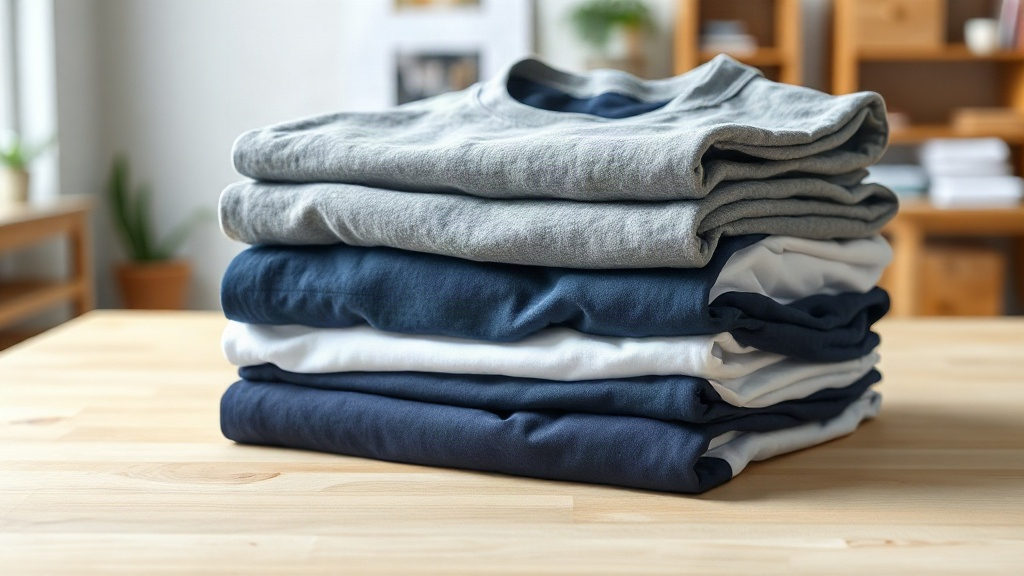
When you hand someone a Custom Premium Tee, you're not just giving them a piece of clothing; you're giving them a walking billboard for your brand. But not all tees are created equal. A flimsy, poorly printed shirt can do more harm than good, while a high-quality, well-designed premium tee becomes a favorite item that gets worn again and again. In this guide, we'll explore why investing in custom premium tees is a smart move for businesses, events, and individuals, and how to get it right.
Why Custom Premium Tees Matter for Your Brand
Think about the promotional products you've received over the years. Which ones did you actually keep? Chances are, it was the ones that felt good, looked good, and stood up to repeated wear. A Custom Premium Tee falls into that category. Unlike cheap giveaways that end up in a donation bin, a premium tee gets worn in public, sparking conversations and building brand recognition. According to a study by the Advertising Specialty Institute, 85% of people recall the advertiser on a promotional product they own, and apparel is one of the most retained categories. But that recall only happens if the shirt is worth wearing.
First Impressions Are Everything
Your brand's image is shaped by every touchpoint, and apparel is one of the most visible. A soft, well-fitting tee with a crisp logo signals quality and attention to detail. On the other hand, a stiff, ill-fitting shirt with a cracked print sends the opposite message. When you choose a Custom Premium Tee, you're telling your audience that you care about the details, and that reflects positively on your products or services.
Longevity and Cost-Per-Use
Premium tees might cost a bit more upfront, but they last far longer than budget options. A high-quality shirt can withstand dozens of washes without fading, shrinking, or losing its shape. That means your logo stays visible and vibrant for years, giving you a better return on investment. When you calculate the cost per impression, premium tees often come out ahead of cheaper alternatives that need to be replaced frequently.
What Makes a Tee 'Premium'?
Not all cotton is created equal. The term 'premium' gets thrown around loosely, but there are specific attributes that set a truly premium tee apart. Understanding these factors helps you make an informed choice when ordering custom apparel.
Fabric Quality and Weight
Premium tees are typically made from 100% combed ring-spun cotton or high-quality blends. Combed ring-spun cotton has a softer feel because the fibers are spun and combed to remove impurities, resulting in a smoother yarn. Fabric weight also matters: a 5.3 oz (180 gsm) shirt is considered midweight and offers a good balance of durability and comfort, while heavier weights (6.1 oz and up) feel more substantial and are often preferred for retail-quality tees. Lighter weights (under 5 oz) may be fine for fashion but tend to be less durable.
Stitching and Construction
Look for details like double-needle stitching on the sleeves and bottom hem, shoulder-to-shoulder taping, and side seams (instead of tubular construction). These features prevent twisting and ensure a better fit. A premium tee also has a clean neckline that won't stretch out after a few wears. Brands like Bella+Canvas, Next Level, and American Apparel are known for their premium blanks, and many custom printers offer these as options.
Fit and Sizing
Fit is highly personal, but premium tees often come in a range of fits: classic, slim, relaxed, and oversized. Offering multiple fit options increases the likelihood that recipients will find a shirt they love to wear. Also, ensure the sizing is true to standard measurements; nothing is worse than a shirt that fits nothing like its label suggests.
Choosing the Right Printing Method
The printing method you choose affects the look, feel, and durability of your design. Here's a rundown of the most common techniques for custom premium tees.
Screen Printing
Screen printing is the go-to method for bold, long-lasting designs. It involves pushing ink through a mesh screen onto the fabric, layer by layer. It's cost-effective for large orders and works well on dark colors. However, it can feel heavy on the shirt if too much ink is used, and it's not ideal for complex, multi-color designs with gradients.
Direct-to-Garment (DTG) Printing
DTG printing works like an inkjet printer for fabric. It's perfect for detailed, full-color designs and small batches. The ink is water-based and sits on top of the fabric, so it feels soft to the touch. However, DTG prints may fade faster than screen prints, especially on dark shirts, and the colors may not be as vibrant.
Heat Transfer and Vinyl
Heat transfer involves printing your design onto a special paper and then using heat and pressure to transfer it onto the shirt. It's great for small runs and complex designs, but the transfer can peel over time if not applied correctly. Vinyl cutting is another option for simple, one-color designs, offering a crisp look but limited detail.
Embroidery
For a truly upscale look, consider embroidery. It adds texture and a premium feel, and it's extremely durable. However, it's more expensive and works best for simple logos with solid shapes. Embroidery on lightweight tees can also cause the fabric to pucker, so it's best on heavier weights.
Design Tips for Custom Premium Tees
Even the best shirt can be ruined by a poor design. Keep these tips in mind to ensure your custom premium tees look professional and appealing.
- Keep it simple: A clean, uncluttered design is more likely to be worn. Avoid overly complex graphics or too much text.
- Use high-resolution files: Vector files (AI, EPS, PDF) are ideal for crisp lines and scalability. If you only have a raster image, ensure it's at least 300 DPI at the final print size.
- Consider placement: Left chest, full front, back, and sleeves are popular spots. Think about how the design will look when worn and whether it will be distorted by folds.
- Choose colors wisely: Ensure sufficient contrast between the design and the shirt color. Also, consider how the colors will look after washing.
- Test before bulk ordering: Always request a sample or proof to check colors, placement, and print quality before committing to a large order.
How to Source Custom Premium Tees
Ready to create your own Custom Premium Tee? Here's a step-by-step approach to sourcing them effectively.
- Define your purpose and budget: Are these for a corporate event, a giveaway, or retail? Your purpose will dictate the quality level and quantity.
- Choose your blank: Research brands and request fabric swatches to feel the quality. Consider weight, material, and fit.
- Select a printing method: Based on your design complexity, order size, and budget, pick the technique that best suits your needs.
- Find a reputable printer: Look for printers with experience in premium apparel and ask for samples of their work. Check reviews and turnaround times.
- Approve a proof: Before full production, review a digital or physical proof to catch any issues.
- Place your order and inspect: Once received, inspect a few shirts for quality and consistency.
Frequently Asked Questions About Custom Premium Tees
What is the difference between a premium tee and a regular tee?
Premium tees are made from higher-quality fabrics like combed ring-spun cotton, have better construction (e.g., double stitching, side seams), and often come in a wider range of fits and colors. They tend to be softer, more durable, and retain their shape and color after many washes.
How much should I expect to pay for custom premium tees?
Pricing varies based on the blank, printing method, and quantity. Generally, you can expect to pay $10-$25 per shirt for a premium blank with a one-color print, but complex designs or specialty techniques can increase the cost. Always request a quote for accurate pricing.
Can I mix sizes and colors in my order?
Most printers allow you to mix sizes and colors, but there may be minimums per design or color. It's best to ask your printer about their policies. Mixing sizes is usually fine, but mixing shirt colors might require separate setup fees for screen printing.
How do I care for my custom premium tee to make it last?
Wash inside out in cold water, tumble dry low or hang dry, and avoid ironing directly on the print. Following these steps will help preserve the fabric and the print for years.
What file format should I provide for my design?
Vector formats like AI, EPS, or PDF are preferred because they can be scaled without losing quality. If you only have a raster image, provide a high-resolution file (300 DPI or higher) at the final print size.
Investing in Custom Premium Tees is more than just buying apparel; it's about creating a positive brand experience. When done right, these shirts become a beloved part of your audience's wardrobe, delivering your message with every wear. So take the time to choose quality blanks, select the right printing method, and design with care. Your brand will thank you.