
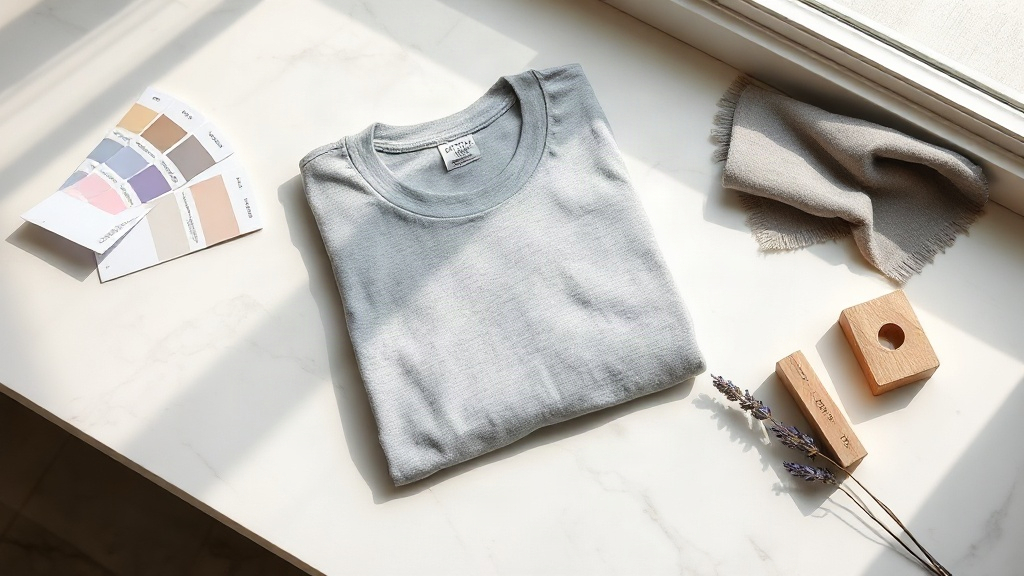
When you invest in custom premium t-shirts, you're not just buying apparel; you're making a statement about quality and attention to detail. Whether you're a business looking to outfit your team, a creator launching merchandise, or an individual wanting a unique piece, the difference between a basic tee and a premium one is night and day. In this guide, we'll walk you through everything you need to know to create custom premium t-shirts that impress, last, and feel incredible.
Why Choose Custom Premium T-Shirts?
Premium t-shirts stand out because of their superior materials, construction, and printing. Unlike mass-produced alternatives, premium tees are made to last, resist shrinking, and maintain their shape wash after wash. They also offer a level of comfort that cheap shirts simply can't match. When you customize them, you add a personal or brand touch that turns a great shirt into an unforgettable one.
From a business perspective, custom premium t-shirts serve as walking billboards. They enhance brand perception, create a professional image, and show that you care about the details. For individuals, they're a way to express personality and support causes or ideas without compromising on quality.
Understanding Premium Fabrics
The foundation of any great custom tee is the fabric. Here are the most common premium options:
- 100% Ring-Spun Cotton: Softer and more durable than standard cotton, ring-spun cotton has longer fibers that create a smoother surface. It's ideal for printing detailed designs.
- Organic Cotton: Grown without harmful chemicals, organic cotton is eco-friendly and gentle on sensitive skin. It's a popular choice for sustainable brands.
- Tri-Blend: A mix of cotton, polyester, and rayon, tri-blend offers a vintage, heathered look and exceptional softness. It drapes well and resists wrinkles.
- CVC (Chief Value Cotton): A cotton-poly blend that combines the softness of cotton with the durability of polyester. It's less likely to shrink and holds color well.
- Pima and Supima Cotton: Extra-long staple cotton varieties that are luxuriously soft, strong, and resistant to pilling. They're at the top of the premium spectrum.
When selecting fabric, consider the intended use. For everyday wear, ring-spun cotton or tri-blend works beautifully. For athletic activities, a performance blend with moisture-wicking properties might be better. For a truly luxurious feel, go with Pima or Supima.
Choosing the Right Printing Method
The printing technique you choose affects the look, feel, and longevity of your design. Here's a breakdown of popular methods for custom premium t-shirts:
Screen Printing
Screen printing is the go-to for bold, vibrant designs with few colors. It involves pushing ink through a mesh screen onto the fabric. It's cost-effective for large orders and produces a thick, opaque layer that can last for years. However, it's less suited for complex, multi-color designs with gradients.
Direct-to-Garment (DTG) Printing
DTG printing works like an inkjet printer for shirts. It's perfect for detailed, full-color designs and small batches. The ink is absorbed into the fabric, resulting in a soft feel. While DTG has improved greatly, it may not be as durable as screen printing on darker fabrics.
Heat Transfer Vinyl (HTV)
HTV involves cutting a design from colored vinyl and applying it with heat. It's great for simple text and logos, and it's a popular choice for small businesses and DIYers. However, large solid areas can feel stiff.
Embroidery
For a truly premium look, embroidery adds texture and sophistication. It's ideal for left-chest logos and monograms. While it can be more expensive, it exudes quality and durability.
Consider your design's complexity, the fabric, and your budget when choosing a method. Many premium custom t-shirt companies offer samples so you can test before committing.
Design Tips for Custom Premium T-Shirts
Creating a design that looks great on a premium tee requires thought. Here are some best practices:
- Keep it simple: A clean, uncluttered design often looks more premium than a busy one. Focus on one or two key elements.
- Use high-resolution graphics: Low-res images will look pixelated when printed. Aim for at least 300 DPI.
- Consider placement: Left chest, full front, back, and sleeves are common. Think about how the design interacts with the shirt's seams and fit.
- Choose colors wisely: Ensure your design contrasts well with the shirt color. Also, consider how many colors you're using, as it affects printing costs.
- Test on different sizes: A design that looks great on a medium might look too small on a 3XL. Scale accordingly.
If you're not a designer, many custom t-shirt platforms offer templates and design tools. Alternatively, hire a professional to ensure your vision comes to life perfectly.
Sizing and Fit: Getting It Right
Premium t-shirts come in various fits: slim, regular, relaxed, and oversized. The fit you choose depends on your audience and purpose. For a modern, tailored look, slim or regular fits are popular. For comfort and streetwear style, relaxed or oversized fits are trending.
Always provide a size chart and consider offering unisex and women's cuts. Remember that premium shirts often have a more tailored fit than standard tees, so it's wise to order samples to check sizing before placing a large order.
Sustainability and Ethical Production
Today's consumers care about where their clothes come from. Premium t-shirt manufacturers often prioritize sustainable practices, such as using organic cotton, recycling water, and ensuring fair labor conditions. When you choose custom premium t-shirts from a responsible supplier, you're not only getting a better product but also supporting ethical production. Look for certifications like GOTS (Global Organic Textile Standard) or Fair Trade to verify claims.
Cost Considerations
Custom premium t-shirts cost more than basic ones, but they're worth it. Factors affecting price include fabric quality, printing method, order quantity, and additional features like tags or packaging. While the upfront cost may be higher, the durability and impression they make often justify the investment. For businesses, they can be a marketing expense that pays off in brand loyalty.
Case Study: How a Small Brand Used Custom Premium T-Shirts to Grow
Take the example of a small coffee roastery that wanted to stand out at a local market. They ordered a batch of custom premium t-shirts made from organic cotton with a simple, elegant logo embroidered on the left chest. The shirts were so popular that customers asked to buy them, turning the apparel into a revenue stream. The owner reported that the shirts helped create a community around the brand, with customers wearing them around town and sparking conversations. This shows how premium custom tees can be more than just merchandise; they can be a powerful branding tool.
Frequently Asked Questions
How do I choose the best fabric for custom premium t-shirts?
Consider the intended use and your budget. For everyday wear, ring-spun cotton or tri-blend offers a great balance of softness and durability. For a luxurious feel, go with Pima or Supima cotton. If sustainability is a priority, choose organic cotton. Order fabric swatches to feel the difference before deciding.
What's the most durable printing method for custom premium t-shirts?
Screen printing is generally the most durable, especially for bold designs with few colors. It can withstand many washes without fading. For detailed, multi-color designs, DTG is a good option, but it may fade over time. Embroidery is also highly durable and adds a premium touch.
Can I order just one custom premium t-shirt?
Yes, many companies offer no-minimum orders, but the per-unit cost will be higher. If you're ordering in bulk, you'll get better pricing. Some methods like DTG are well-suited for single orders, while screen printing becomes cost-effective at higher quantities.
How should I care for my custom premium t-shirt to make it last?
Wash inside out in cold water and tumble dry on low or hang dry. Avoid ironing directly on the print; instead, iron inside out. Following these steps will help preserve the fabric and the design for years.
What are the trending design styles for custom premium t-shirts in 2025?
Minimalist designs, retro-inspired graphics, and nature themes are popular. Also, oversized fits with small chest prints and large back designs are in demand. Personalization like names or initials is also trending. Keep an eye on social media and fashion blogs for inspiration.
Creating custom premium t-shirts is a rewarding endeavor that combines creativity with quality. By focusing on fabric, printing, design, and fit, you can produce shirts that people love to wear. Whether for business or personal use, the result is a product that speaks volumes about your attention to detail.