
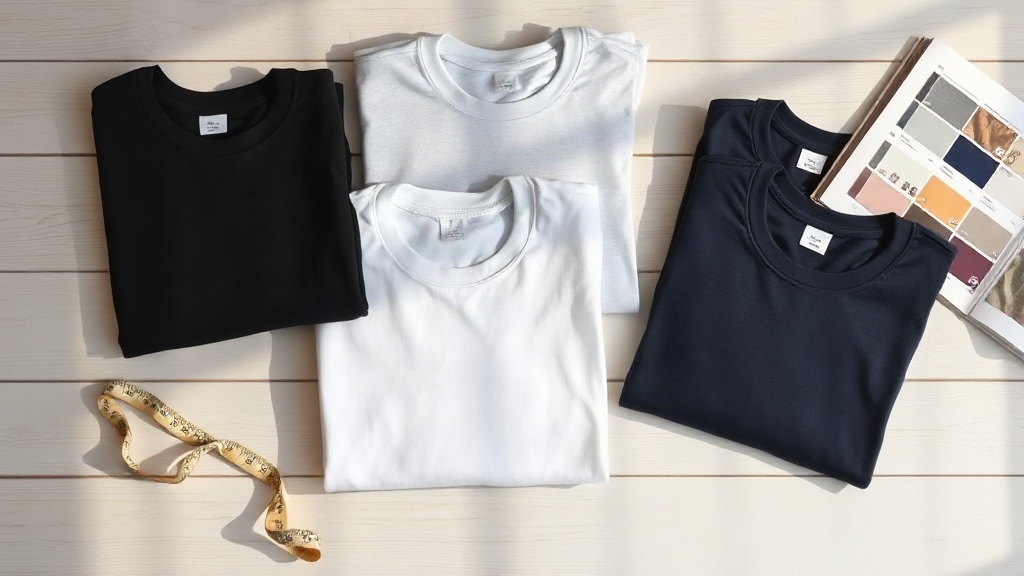
Choosing the right blank for a custom premium shirt can make or break your brand. Whether you're launching a streetwear label or printing corporate uniforms, the quality of the blank dictates how the final product feels, fits, and lasts. At Smart Blanks Store, we've helped thousands of creators navigate the world of premium blanks, and one metric keeps coming up: CPS. Understanding CPS (cost per shirt) is the first step toward building a profitable, high-quality apparel line. But CPS isn't just about price—it's about value. A cheap blank that shrinks, scratches, or fades will cost you more in returns and lost customers than a slightly pricier blank that feels luxurious and holds up wash after wash. In this guide, we'll break down everything you need to know about selecting custom premium shirt blanks, from fabric weights to printing techniques, so you can make informed decisions and create shirts your customers will love to wear.
What Makes a Shirt Truly Premium?
Not all blanks are created equal. A premium shirt typically features combed ring-spun cotton, a substantial fabric weight, and meticulous construction. Combed ring-spun cotton has longer fibers that are spun tightly, resulting in a softer, smoother surface that takes printing exceptionally well. Fabric weight, measured in ounces per square yard (oz/yd²), is another key indicator. Lightweight blanks (under 4.5 oz) feel flimsy and tend to be sheer; midweight (4.5–5.5 oz) works for fashion tees; heavyweight (6 oz and up) offers durability and a structured drape that screams quality. Construction details like side-seamed panels, shoulder-to-shoulder taping, and double-needle stitching prevent twisting and extend the shirt's life.
When you calculate CPS, factor in these attributes. A $3 blank that feels rough and shrinks after one wash is a false economy. A $7 premium blank that retains its shape and softness for years delivers a lower CPS in the long run because customers reorder and recommend you. At Smart Blanks Store, we curate blanks that meet strict criteria for softness, durability, and printability, so you can trust that every shirt you produce reflects well on your brand.
Calculating CPS: The True Cost of a Custom Shirt
CPS, or cost per shirt, is more than the wholesale price of the blank. It encompasses every expense involved in turning a blank into a finished, sellable product. To get an accurate CPS, add up the following:
- Blank cost: The price you pay per shirt from your supplier.
- Printing or embroidery: Charges from your decorator, which may include setup fees, screen charges, or digitizing fees.
- Shipping and handling: Inbound freight from the supplier and outbound shipping to your customer.
- Packaging: Poly bags, tissue paper, custom labels, or hangtags.
- Labor: Time spent folding, tagging, and preparing orders.
- Marketing and overhead: Advertising costs, website fees, and other business expenses.
Once you have your total cost, divide by the number of shirts produced. That's your CPS. For example, if you order 100 blank shirts at $5 each, pay $2 per shirt for screen printing, spend $0.50 per shirt on packaging, and $100 total on shipping, your total cost is $850, or $8.50 per shirt. If you sell each shirt for $25, your gross profit per shirt is $16.50. Knowing your CPS helps you set prices that cover expenses and generate healthy margins.
Why CPS Matters for Small Brands
Small brands often operate on tight budgets, so every dollar counts. A high CPS can eat into profits, but cutting corners on blanks can backfire. The goal is to find the sweet spot where quality meets affordability. By choosing blanks that offer excellent value—like those from Smart Blanks Store—you can keep your CPS competitive without sacrificing the premium feel your customers expect. Remember, customers today are savvy; they can feel the difference between a cheap tee and a premium one. Investing in better blanks reduces return rates and boosts word-of-mouth referrals, ultimately lowering your effective CPS.
Choosing the Right Fabric for Your Custom Premium Shirt
The fabric you choose impacts comfort, durability, and print results. Here's a breakdown of common options:
100% Combed Ring-Spun Cotton
This is the gold standard for premium shirts. It's soft, breathable, and holds vibrant prints. It does shrink slightly unless pre-shrunk, so always account for that. Ideal for retail and fashion brands.
Cotton/Polyester Blends
Blends like 50/50 or 60/40 offer the best of both worlds: the softness of cotton and the durability and wrinkle resistance of polyester. They resist shrinking and are great for activewear or uniforms. However, they may not take certain water-based inks as well as 100% cotton.
Tri-Blends
Tri-blends (cotton/polyester/rayon) are ultra-soft, lightweight, and have a vintage, heathered look. They're popular for fashion tees but tend to be more expensive and can be tricky to print on due to their stretch.
Organic Cotton
Eco-conscious brands love organic cotton for its sustainability and soft hand. It costs more, but it appeals to environmentally aware customers and can justify a higher price point, balancing your CPS.
At Smart Blanks Store, we carry a range of fabrics to suit every need. Our team can help you match the right fabric to your target market and printing method.
Printing Methods and Their Impact on Quality and CPS
Your printing choice affects the look, feel, and longevity of your custom premium shirt, as well as your CPS. Consider these popular methods:
- Screen printing: Cost-effective for large orders, offers vibrant colors and durability. Setup costs are high, so it's best for bulk.
- Direct-to-garment (DTG): Great for detailed, full-color designs and small batches. No setup fees, but the print may fade faster and feels slightly stiff on heavyweight fabrics.
- Heat transfer: Ideal for small runs and complex designs. Can crack over time if not applied correctly.
- Embroidery: Adds a premium, textured look. Best for logos and left-chest designs. Higher cost per piece but perceived value is high.
Each method has trade-offs. For example, screen printing lowers your CPS on large orders, while DTG keeps initial costs low for small batches. Choose based on your design, order size, and budget.
Fit and Sizing: The Unsung Heroes of Premium Shirts
A premium shirt must fit well. Poor fit leads to returns and unhappy customers, driving up your effective CPS. Pay attention to these fit factors:
- Cut: Men's, women's, unisex, or youth. Unisex is versatile but may not flatter all body types.
- Neckline: Crew, V-neck, scoop, or henley. Crew is classic; V-neck adds a modern touch.
- Sleeves: Short, long, or three-quarter. Set-in sleeves offer a cleaner look; raglan sleeves provide a sporty vibe.
- Length: Standard or longline. Longline tees are trendy but may not suit all customers.
Always order samples to test fit and feel before committing to a large order. Smart Blanks Store offers sample packs so you can evaluate different styles and find the perfect match for your brand.
Sustainability and Ethical Sourcing: A Growing Priority
Today's consumers care about where their clothes come from. Choosing blanks from suppliers with ethical and sustainable practices can enhance your brand's reputation and justify a higher price, improving your CPS through increased perceived value. Look for certifications like GOTS (Global Organic Textile Standard), Fair Trade, or OEKO-TEX. These ensure the cotton is organic, workers are treated fairly, and harmful chemicals are avoided. Smart Blanks Store prioritizes partnerships with suppliers who share these values, so you can feel good about the shirts you sell.
How to Reduce CPS Without Sacrificing Quality
Lowering CPS doesn't mean downgrading. Here are strategies to keep costs in check while maintaining premium quality:
- Buy in bulk: Order larger quantities to get volume discounts from your blank supplier and printer.
- Streamline your designs: Fewer colors mean lower screen printing costs.
- Negotiate with suppliers: Build relationships and ask for better pricing as your order volume grows.
- Optimize shipping: Combine orders and choose efficient shipping methods.
- Reduce waste: Order accurate quantities to avoid dead stock.
By applying these tactics, you can achieve a CPS that supports healthy margins and allows you to invest in marketing and growth.
Frequently Asked Questions About Custom Premium Shirts and CPS
What does CPS stand for in custom apparel?
CPS stands for cost per shirt. It's the total cost to produce one finished shirt, including the blank, printing, shipping, and any other associated expenses. Knowing your CPS helps you price your products profitably.
How do I calculate CPS accurately?
Add up all costs: blank cost, printing charges, shipping, packaging, labor, and overhead. Divide the total by the number of shirts produced. For example, if you spend $800 to produce 100 shirts, your CPS is $8 per shirt.
Which fabric is best for a premium custom shirt?
100% combed ring-spun cotton is the top choice for softness and printability. For durability and wrinkle resistance, consider a cotton/polyester blend. Tri-blends offer a vintage feel, while organic cotton appeals to eco-conscious buyers.
How can I lower my CPS without losing quality?
Order in bulk, simplify designs to reduce print colors, negotiate with suppliers, and optimize shipping. These steps can lower your CPS while maintaining premium quality.
Where can I find high-quality blank shirts for my brand?
Smart Blanks Store specializes in premium blanks from trusted brands. We offer a curated selection of fabrics, fits, and colors to suit any brand. Visit our website to explore our catalog and request samples.